Blog

  • Scale Daily Ai Tool Review And Use-C Website 5K Month

    Scale Daily AI is a subscription-based platform designed for creators to generate recurring income through an AI-powered website. It focuses on providing a done-for-you solution for building a niche website that earns approximately $5,000 per month. The tool aims to automate content creation and monetization strategies.

    What is Scale Daily AI?

    Scale Daily AI is a service that promises to build a website for you. This website is meant to make money. The main goal is to earn around $5,000 every month.

    It uses artificial intelligence to do a lot of the work. This means less effort for you.

    Think of it like this: you want to start a blog or a niche site. Normally, you’d have to pick a topic. Then you’d write articles.

    You’d also figure out how to make money from it, like ads or selling things. Scale Daily AI says it handles these steps for you.

    How Does Scale Daily AI Work?

    The service builds a niche website. A niche site is focused on a very specific topic. For example, it could be about a certain type of pet.

    Or maybe it’s about collecting rare coins. The idea is to be the go-to place for that specific subject.

    The AI part comes in with content. It can help write articles. It can also suggest topics.

    The website is set up to bring in visitors. Then, it’s designed to make money from those visitors. This often happens through ads or affiliate marketing.

    Affiliate marketing is when you recommend a product, and you get a small payment if someone buys it through your link.

    Scale Daily AI is a subscription. You pay a fee to use their system. They set up the website.

    They also help with the ongoing process of making it earn money. The aim is for the website to generate passive income. Passive income means you earn money without constantly trading your time for it.

    My First Dive Into Scale Daily AI

    I remember stumbling upon Scale Daily AI late one night. I was scrolling through forums, looking for ways to boost my freelance writing income. My own blog wasn’t getting much traction, and I felt a pang of frustration.

    I’d spent hours writing posts that seemed to vanish into the internet void. Then, I saw the bold claim: “$5k/month website, done for you, powered by AI.”

    My mind immediately jumped to a thousand questions. Was this real? Could an AI truly build and run a profitable website?

    A little voice of skepticism whispered, but another part of me was intensely curious. I pictured a website, perfectly crafted, churning out cash while I slept. It sounded almost too good to be true, and honestly, that was the hook.

    I clicked the link, my heart beating a little faster with a mix of hope and caution.

    Scale Daily AI: What’s Inside the Box?

    When you sign up for Scale Daily AI, you’re not just getting software. You’re getting a whole package. Here’s a quick look at what they usually offer:

    • Website Setup: They create a niche website for you.
    • AI Content Generation: Tools to help create articles.
    • Monetization Strategy: Plans to help your site earn money.
    • Traffic Generation Ideas: Tips on how to get visitors.

    It’s meant to be a comprehensive solution. They try to cover the main parts of running a successful website.

    Understanding the Niche Website Concept

    The core idea behind Scale Daily AI is building a niche website. A niche is a small, specific part of a larger market. For example, “gardening” is a broad topic.

    “Organic vegetable gardening in urban settings” is a niche. “Hydroponic tomato growing for beginners” is an even smaller niche.

    Why focus on a niche? Because it’s easier to become an expert. It’s also easier to attract a specific group of people.

    These people are highly interested in what you offer. They are more likely to click on ads or buy products you recommend. Search engines also like niche sites.

    They see them as authoritative sources for that specific topic.

    Scale Daily AI selects these niches. They then use AI to populate these sites with content. The content is designed to answer questions people have about the niche.

    It also aims to be engaging. The goal is to build a loyal audience.

    The Role of AI in Content Creation

    Artificial intelligence is a big part of this service. AI tools can write text. They can do it much faster than a human.

    This is where Scale Daily AI leverages technology.

    The AI can research topics. It can then generate articles, blog posts, or product descriptions. These AI-generated pieces are then put on your website.

    The idea is to have a constant stream of new content. More content can mean more visitors. It also means more chances to make money.

    However, AI content isn’t always perfect. It can sometimes sound robotic. It might also make mistakes.

    Human oversight is often still needed. This is something to keep in mind. You might need to edit or refine the AI’s work.

    This ensures it sounds natural and is accurate.

    Quick Scan: Niche Website Benefits

    Benefit Why It Matters
    Targeted Audience Easier to attract interested visitors.
    Higher Engagement Visitors are more likely to stay and interact.
    SEO Advantages Easier to rank for specific keywords.
    Monetization Focus Simpler to offer relevant products/services.

    The Promise of $5,000 Per Month

    The headline figure is the “$5,000 per month” income. This is a strong selling point. It catches the eye of anyone looking to earn extra money online.

    Scale Daily AI suggests their system can achieve this. They frame it as a realistic outcome.

    How is this income generated? Usually, it’s through a combination of methods. These include:

    • Display Advertising: Placing ads on your website. You earn money when people see or click them. Google AdSense is a common platform for this.
    • Affiliate Marketing: Recommending products or services. You get a commission when someone buys through your unique link. Amazon Associates is a popular affiliate program.
    • Selling Digital Products: Creating and selling your own ebooks, courses, or templates.
    • Sponsored Content: Brands pay you to write reviews or articles about their products.

    The service aims to set up your site with these monetization streams. They claim the AI-driven content will attract enough traffic. This traffic will then convert into income.

    The amount you earn can depend on many factors, though. Things like the niche’s profitability and the quality of your content play a big role.

    My First Real Check-in: A Month Later

    After signing up, I decided to really dig in. I wasn’t just going to let it run on autopilot. I wanted to see what happened on the backend.

    A month passed, and I logged into the dashboard provided by Scale Daily AI. My initial thought was, “Okay, show me the money.” The website they built was decent. It looked clean and had some articles related to a niche I’d vaguely approved.

    But the numbers weren’t quite what I’d dreamed of.

    The traffic was very low, barely a trickle. Earnings were in the single digits for the month. It wasn’t the $5k promise, not even close.

    I felt a familiar knot of disappointment tighten in my stomach. Was this another overhyped system? I remembered the initial excitement, the vision of effortless income.

    It was a stark reminder that even with AI, success often requires more than just setting something up. It requires understanding, tweaking, and consistent effort.

    Contrast: Myth vs. Reality of AI Websites

    Myth: Set It and Forget It

    You might think the website will run itself and make money with zero effort. This is rarely the case.

    Reality: Requires Oversight

    AI-powered sites still need human input. You’ll likely need to guide content, check for accuracy, and adapt strategies.

    Real-World Context: The Creator Economy

    Scale Daily AI fits into the broader “creator economy.” This is a world where individuals can make a living from their content. Think YouTubers, bloggers, podcasters, and online course creators. The goal is to build an audience and monetize that audience’s attention.

    Many people want to join this economy. They see others succeeding. They want that financial freedom and creative control.

    Tools like Scale Daily AI aim to lower the barrier to entry. They offer a way to build an online presence and income stream without needing deep technical skills or years of marketing experience.

    However, the creator economy is also crowded. Standing out requires more than just having a website. It requires providing value.

    It means understanding your audience. It also means adapting to changes in algorithms and market trends. The environment is competitive.

    Who is Scale Daily AI For?

    This service is likely best for people who:

    • Are beginners in online business.
    • Lack strong technical skills for website building.
    • Want a shortcut to establishing an online presence.
    • Are willing to invest money in a service that does some of the heavy lifting.
    • Understand that “done for you” still requires some engagement.

    It’s probably not the best fit for:

    • Experienced marketers who want full control.
    • People looking for a completely passive income stream with zero effort.
    • Those on a very tight budget who can’t afford a subscription service.
    • Anyone expecting instant riches without any work involved.

    The success of the tool depends on managing expectations. If you go in knowing it’s a starting point, not a magic button, you might find it useful. It’s a tool to help you begin, not necessarily the end-all solution.

    What This Means for Your Creative Projects

    If you’re considering Scale Daily AI, think about what you want to achieve. Do you want a hobby website that brings in a little extra cash? Or are you aiming to

    It can be a way to get your foot in the door. It might help you understand how niche websites work. You could learn about AI content creation.

    You might even see some income, which can be motivating. But it’s crucial to remember that long-term success usually involves your own learning and adaptation.

    When is it normal to see low traffic or income initially? Very often. Most new websites take time to build authority and attract visitors.

    When should you worry? If after a few months, there’s absolutely no sign of improvement, and you haven’t been able to influence it at all, it might be time to re-evaluate your strategy or the service itself.

    Observation: The AI Content Loop

    This describes how the system typically works to keep content flowing:

    1. Niche Selection: The service picks a profitable niche.
    2. Topic Generation: AI finds popular questions or sub-topics within the niche.
    3. Article Drafting: AI writes draft articles based on these topics.
    4. Publishing: Articles are published on your website.
    5. Monetization: Ads or affiliate links are placed within the content.

    The idea is to repeat this cycle to grow the site over time.

    Quick Tips If You Decide to Try Scale Daily AI

    If you decide Scale Daily AI is right for you, here are some guidelines to keep in mind:

    • Understand the Niche: Even if AI picks it, learn about the niche yourself. This helps you guide the content.
    • Review AI Content: Always read what the AI writes. Check for accuracy and natural flow. Make edits where needed.
    • Promote Your Site: Don’t rely solely on AI for traffic. Share your content on social media or relevant forums.
    • Analyze Data: Look at your website’s analytics. See what’s working and what’s not. Adjust your approach based on this.
    • Be Patient: Building a successful website takes time. Don’t expect overnight results.
    • Stay Updated: The online world changes fast. Keep learning about SEO, content marketing, and AI tools.

    These aren’t strict fixes, but rather ways to maximize your chances of success. It’s about working smarter with the tools you have.

    Frequently Asked Questions About Scale Daily AI

    What exactly is the $5,000 per month claim referring to?

    The $5,000 per month claim refers to the potential monthly revenue a website built and managed through Scale Daily AI could generate. This income is typically derived from various online monetization methods like advertising, affiliate marketing, and product sales. It is presented as a target or potential outcome, not a guarantee.

    Do I need any technical skills to use Scale Daily AI?

    Scale Daily AI is designed to minimize the need for technical skills. The service aims to provide a “done-for-you” solution for website creation. This means they handle much of the setup.

    However, some basic understanding of how websites work and digital marketing can be beneficial for managing and optimizing your site.

    How much does Scale Daily AI cost?

    Scale Daily AI operates on a subscription model. The exact pricing can vary, but it typically involves recurring monthly or annual fees. Potential users should check the official Scale Daily AI website for the most current pricing details and any available plans or packages.

    Can I choose the niche for my website?

    The service usually selects the niche based on its profitability and potential. While some level of input or approval might be offered, the primary aim is to leverage AI to identify and build within high-potential niches. It’s advisable to clarify the extent of niche selection control with the service provider.

    What kind of content does the AI generate?

    The AI content generator is designed to produce various forms of written content relevant to the selected niche. This can include blog posts, articles, product descriptions, and informational guides. The goal is to create engaging and informative content that attracts visitors and supports monetization efforts.

    Is the AI-generated content original?

    AI content generators aim to produce unique text. However, the originality can vary. It’s always a good practice to run AI-generated content through a plagiarism checker if originality is a major concern.

    Human review and editing can also ensure the content is unique and high-quality.

    How is traffic driven to the website?

    Scale Daily AI typically uses a combination of strategies to drive traffic. This can include Search Engine Optimization (SEO) to rank higher in search results, content marketing to attract organic visitors, and potentially some promotional guidance. However, users are often encouraged to contribute to traffic generation through their own promotion efforts.

    Final Thoughts on Scale Daily AI

    So, there you have it. Scale Daily AI offers a fascinating approach to building an online income stream. It leverages AI to automate much of the process.

    It promises a significant monthly earning potential. But remember, no tool is a magic wand. Success still hinges on your engagement, understanding, and willingness to adapt.

    It can be a great starting point for many. It can help you enter the creator economy without needing a steep learning curve. Just go in with clear eyes and a commitment to learning and working alongside the AI.

    That’s the real recipe for online success.
  • Pricing Daily Ai Tool Review And Use-C Services Guide

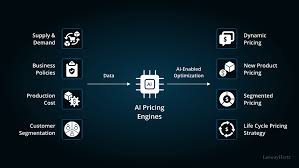
    Understanding the pricing of AI tools and services is key for daily use. Many AI tools offer flexible plans. These often include free tiers, pay-as-you-go options, and subscriptions.

    Daily AI usage costs vary widely based on the tool’s complexity and your needs. Researching specific services helps manage budgets effectively.

    What is AI Tool Pricing?

    AI tool pricing means how much you pay for software that uses artificial intelligence. These tools can do many things. They can write emails, make images, or help run a business.

    The cost depends on what the AI can do. It also depends on how much you use it. Some AI tools are free to start.

    Others have a monthly fee. Some charge by how much you use them. This is like paying for electricity.

    You use more, you pay more.

    Think about what you need AI for. Do you want to write better? Do you need help with your work?

    The price changes based on your goal. Basic AI writing help might be cheap. Advanced AI for designing complex things could cost a lot.

    Companies try to make pricing fair. They want many people to use their tools. But they also need to make money to keep them running.

    Why Does AI Tool Pricing Vary So Much?

    The cost of AI tools changes for many reasons. One big reason is the power needed. Running AI takes a lot of computer power.

    The more complex the AI, the more power it needs. This power costs money. So, powerful AI tools often cost more.

    Another reason is the features offered. Some AI tools do just one simple thing. Others do many things very well.

    A tool that can write, edit, and translate might cost more than one that only writes. The skill of the people who make the AI also matters. Highly skilled AI engineers are expensive.

    Their expertise gets built into the tool’s price.

    Finally, the business model plays a part. Some companies offer AI as a service. You pay a monthly fee to use it.

    Others sell AI software you install on your computer. Some offer free versions with limited features. They hope you will pay for more later.

    This is called a freemium model. It all adds up to why prices are different.

    Understanding Daily AI Usage and Costs

    Using AI tools every day can add up. It’s like buying a coffee every morning. One coffee might not hurt your budget.

    But buying coffee daily for years will. The same is true for AI tools. Many AI services are subscription-based.

    You pay a set amount each month. This makes budgeting easier.

    For example, a grammar checker AI might cost $10 a month. If you use it for all your writing, that’s a small cost. A more advanced AI that creates marketing content might cost $50 a month.

    If you use it for your business, this could be a good investment. You need to weigh the cost against the benefit.

    Some AI tools use a credit system. You buy credits and use them for tasks. Generating an image might use 10 credits.

    Writing a long article might use 50 credits. This is good if you don’t use AI all the time. You only pay for what you use.

    But if you use AI a lot, this can become expensive quickly. Always check the pricing structure.

    Common AI Pricing Models

    Subscription Fees: A fixed monthly or annual cost. This is popular for AI writing assistants and design tools.

    Pay-As-You-Go: You are charged based on usage, often measured in API calls or generated content.

    Freemium: A free basic version is offered. Paid versions unlock more features or higher usage limits.

    One-Time Purchase: Less common for AI services, but some software might be bought outright.

    Real-Life Examples: AI Tool Pricing Reviews

    Let’s look at some popular AI tools. This will give you a clearer idea of costs. Many people use AI for writing.

    Tools like Jasper or Copy.ai offer different plans. Their basic plans might start around $29-$49 per month. These plans give you a certain number of words or projects you can create.

    The more words or projects you need, the higher the plan cost.

    For image generation, tools like Midjourney have monthly plans. These can range from $10 to $60 per month. The price depends on how fast you get your images and how many you can generate.

    Stability AI’s Stable Diffusion can be used in different ways. You might run it on your own computer if you have a good graphics card. This has a higher upfront cost.

    Or you can use cloud services which have usage fees.

    For businesses, AI can help with customer service. Chatbot services often charge based on the number of conversations or users. This could be a few hundred dollars a month for a small business.

    For larger companies, it can be thousands. These tools help save time and money in the long run. But the initial investment needs careful thought.

    Factors Affecting Daily AI Service Costs

    Several factors influence how much you spend on AI services each day. The complexity of the task is a big one. Simple tasks like spell-checking cost less.

    Complex tasks like generating code or detailed reports cost more. This is because they need more advanced AI models and processing power.

    The amount of data processed also matters. If an AI needs to analyze a huge amount of text or images, it will cost more. Think of it like reading a book versus reading an entire library.

    The library takes much longer and more effort. This effort translates into cost for AI services.

    Support and updates play a role too. Tools that offer 24/7 customer support or regular updates with new features might have higher prices. You are paying for the ongoing development and maintenance of the AI.

    Companies that provide robust security and privacy measures might also charge more. This ensures your data is safe.

    Quick Scan: AI Tool Cost Comparison

    AI Tool Type Typical Daily Cost (Approx.) Main Usage
    Basic Writing Assistant $1 – $3 Email, social media posts
    Advanced Content Creator $3 – $10 Blog posts, marketing copy
    AI Image Generator $2 – $8 Illustrations, art, concept visuals
    Code Assistant $2 – $7 Programming help, debugging
    Data Analysis Tool $5 – $20+ Business insights, trend spotting

    Note: These are estimates. Actual costs vary by provider and plan.

    The Value of AI: Beyond Just Price

    It’s easy to get caught up in the price of AI tools. But we should also think about their value. What can AI do for you?

    It can save you time. It can help you be more creative. It can automate boring tasks.

    These benefits often outweigh the cost. If an AI tool helps you finish work faster, you might have more free time. That free time has value.

    For businesses, AI can increase productivity. It can improve customer satisfaction. It can help make better decisions.

    These improvements can lead to more money or lower costs. So, while an AI tool might seem expensive, it could actually make you more money in the long run. This is a key part of AI tool pricing: the return on investment.

    Think about the skills AI can give you. Learning to use AI tools effectively can make you more valuable in your job. It’s like learning a new skill on a computer years ago.

    It opened up new opportunities. AI is similar. Understanding AI tool pricing helps you make smart choices.

    It ensures you get the most bang for your buck.

    Navigating AI Service Plans: What to Look For

    When you look at AI services, pay close attention to the plan details. Many companies offer different levels. These are often called tiers.

    The basic tier is usually the cheapest. It has fewer features or lower limits. The higher tiers cost more but offer more.

    This is where you need to match your needs to the plan.

    Check the usage limits. How many words can you generate? How many images can you create?

    How many API calls can you make? If you go over these limits, you might pay extra fees. Or your service might stop working until the next billing period.

    This can be a surprise cost.

    Look at the features. Does the AI offer the specific functions you need? Some AI tools are great at writing articles but not for social media captions.

    Make sure the tool is built for your purpose. Read reviews from other users. They can often share insights into the real-world performance and hidden costs.

    Key Questions When Choosing an AI Plan

    What is my main goal for using this AI? (e.g., writing, coding, design)

    How much will I use it each day or week? (Estimate your usage)

    Are there hidden fees for exceeding limits?

    What specific features do I absolutely need?

    Is there a free trial or a cheaper introductory offer?

    The Future of AI Pricing: What’s Next?

    AI technology is changing fast. Pricing models will likely change too. We might see more AI tools that are highly specialized.

    They will focus on doing one thing perfectly. This could lead to more niche pricing. You might pay less for a tool that does only one job well.

    As AI becomes more common, we might see more competitive pricing. More companies will offer similar tools. This competition often drives prices down.

    It also leads to better features for the same cost. We could also see more integration of AI into existing software. Instead of a separate AI tool, AI features might be built into your word processor or email client.

    There’s also a push for more affordable AI. Researchers are working on making AI models more efficient. This means they require less computing power.

    If AI needs less power, it can cost less to run. This could make powerful AI accessible to more people and small businesses. It’s an exciting time for AI development and pricing.

    AI Pricing Trends to Watch

    Increased Personalization: Plans tailored to individual user needs.

    Bundled Services: AI features integrated into existing software suites.

    Ethical AI Pricing: Focus on fair pricing and accessibility.

    Usage-Based Innovation: More dynamic pricing based on AI model performance.

    My Personal Experience with AI Tool Costs

    I remember when I first started exploring AI for my blog. I was a bit overwhelmed by the options. There were so many tools claiming to be the “best.” I decided to try a popular AI writing assistant.

    It had a free trial, which was great. I used it to help brainstorm blog post ideas and write outlines. It saved me so much time.

    After the trial, I looked at the pricing. The basic plan was about $30 a month. It gave me a good number of words to generate.

    I found that I was using it almost every day. It helped me write faster and with more confidence. Before, I would stare at a blank screen for an hour.

    Now, I could get a draft done in 30 minutes. This felt like a huge win.

    However, I also tried an AI image generator. I was curious about creating unique visuals for my posts. The starter plan was $10 a month for a limited number of images.

    I loved the images I made! But I quickly hit the limit. I found myself wanting to create more.

    If I upgraded to the next plan, it was $30 a month. Suddenly, my monthly AI costs doubled. This made me think about my budget.

    I had to decide if the extra images were worth the higher cost. I learned that it’s important to be realistic about how much you’ll use each tool.

    When AI Tool Pricing Becomes a Concern

    AI tool pricing can become a concern when it’s not clear. If a company hides fees or makes its pricing structure confusing, that’s a red flag. You should be able to easily understand what you’re paying for.

    Hidden costs are the worst. You sign up for one price and then get hit with surprise charges later. This can lead to frustration and overspending.

    Another issue is when the cost doesn’t match the value. If you pay a lot for an AI tool but it doesn’t really help you much, it’s not worth it. You might find yourself paying for features you never use.

    Or the AI might not be good enough to help with your specific tasks. This is why free trials are so important. They let you test the tool before you commit to paying.

    Finally, pricing can be a concern if it creates a barrier. If the cost of essential AI tools is too high, it can prevent people from using them. This is especially true for students, freelancers, or small businesses with tight budgets.

    Ideally, AI should be accessible. When pricing makes AI a luxury for only a few, that’s a problem.

    Tips for Managing Your Daily AI Expenses

    Managing your AI expenses is smart. First, start with free tools or trials. See what works for you without spending money.

    Many AI services offer free versions. These can be great for basic needs or occasional use.

    Track your usage. If you use a pay-as-you-go service, keep an eye on how much you’re using. Set alerts if the service offers them.

    This way, you won’t get a huge bill at the end of the month. For subscription services, review your plan regularly. Do you still need all the features?

    Can you downgrade to a cheaper plan?

    Consider bundling. Some companies offer packages of AI tools. If you need several different types of AI, a bundle might be cheaper than buying each tool separately.

    Always compare the cost of individual tools versus a bundled package. Look for discounts too. Many AI companies offer discounts for annual subscriptions.

    This can save you a good amount of money compared to paying monthly.

    Cost-Saving AI Strategies

    Leverage Free Tiers: Use free versions whenever possible for non-critical tasks.

    Monitor Usage Closely: Avoid unexpected charges with pay-as-you-go models.

    Review Subscriptions: Cancel plans you no longer use or need.

    Seek Annual Discounts: Pay yearly for significant savings.

    Explore Bundles: Look for package deals if you use multiple tools from one provider.

    When to Worry About AI Tool Costs

    You should worry about AI tool costs if they start to strain your personal or business budget. If you find yourself cutting back on other essential things to pay for AI, it’s a sign. It might mean you are overspending or using tools you don’t truly need.

    Another sign to worry is if the AI tool’s cost is much higher than the value it provides. If you’re paying $50 a month for an AI writing tool, but it only saves you an hour of work a week, that’s not a good return. You should be seeing clear benefits that justify the expense.

    This could be saved time, increased revenue, or improved efficiency.

    Also, be concerned if a provider is not transparent about their pricing. If they are vague about overage fees, or if their terms and conditions are hard to understand, proceed with caution. Trustworthy AI companies make their pricing clear and easy to find.

    They want you to feel comfortable with your purchase.

    Frequently Asked Questions About AI Pricing

    Is it possible to use AI tools for free?

    Yes, many AI tools offer free tiers or limited free trials. These are great for trying out features or for basic, occasional use. However, free versions often have limitations on usage, features, or speed.

    How much does a basic AI writing assistant typically cost per month?

    A basic AI writing assistant can range from $10 to $50 per month. This price depends on the number of words you can generate, the features included, and the provider.

    Are there hidden costs in AI tool pricing?

    Yes, hidden costs can exist. Common ones include overage fees for exceeding usage limits, extra charges for premium features, or mandatory support packages. Always read the pricing details carefully.

    How can I compare AI tool prices effectively?

    Compare prices by looking at the cost per feature, cost per usage unit (like words or images), and any included support or updates. Also, consider the total value and benefits the tool provides.

    Will AI tool prices go down in the future?

    As AI technology matures and competition increases, prices for many AI tools are expected to become more competitive. More efficient AI models could also reduce operational costs, potentially lowering prices for consumers.

    What is a “freemium” AI model?

    A freemium model means a basic version of the AI tool is available for free. Users can then upgrade to a paid plan to access more advanced features, higher usage limits, or better support.

    Final Thoughts on AI Tool Pricing

    Understanding AI tool pricing is about more than just the numbers. It’s about finding value. It’s about knowing your needs and matching them to the right service.

    By doing your research and being mindful of costs, you can harness the power of AI without breaking the bank. Start small, test, and grow as you see the benefits.

  • Paid Community Daily Ai Tool Review And Use-C Launch

    Finding the right AI tools for your paid community is key. This article offers daily reviews and practical advice. It also guides you through launching new AI tools successfully. You’ll learn what works and what to avoid. We aim to make your community management easier and more effective.

    What Are AI Tools for Paid Communities?

    AI tools use smart technology. They help make things easier for community managers. These tools can automate tasks.

    They can also provide insights. For paid communities, this means better member experiences. It also means more efficient operations.

    Think of them as helpful assistants. They work behind the scenes. They help you focus on what matters most.

    That is building a strong community.

    These tools use things like machine learning. They learn patterns in your community. This helps them predict needs.

    They can also identify potential problems. For example, an AI tool might notice. A member is becoming less active.

    It could then suggest a way to re-engage them. Or it might spot a trend. This trend could be valuable for content.

    AI helps make sense of lots of data. This data comes from member interactions.

    The goal is to boost value. Value for both you and your members. Paid communities charge a fee.

    This means members expect high quality. They expect a great experience. AI tools help deliver this.

    They can personalize interactions. They can also offer faster support. This makes members feel valued.

    It makes them want to stay. It also helps attract new members.

    Paid community AI tools often focus on key areas. These include member engagement. They also cover content creation.

    Moderation is another big one. Analytics and reporting are also important. Some tools help with marketing.

    Others help with sales. The range is wide. It depends on the community’s needs.

    Let’s think about a real example. Imagine a community for freelance writers. They pay a monthly fee.

    They want networking. They want job leads. They want writing tips.

    An AI tool could scan job boards. It could then send matching leads. It could also analyze member posts.

    It might find common questions. It could then suggest new workshop topics. This is how AI adds practical value.

    My First Brush with AI in Community Management

    I remember a time. It was about three years ago. I was managing a small online forum.

    It was for amateur photographers. We had maybe 500 members. Most were active.

    But the posts were piling up fast. I was drowning in notifications. Answering every question felt impossible.

    I’d spend hours each day. Just trying to keep up. I was getting burnt out.

    I loved photography. I loved helping people. But the admin work was crushing me.

    One evening, I stumbled upon a new tool. It was called “CommunityBot” or something. It promised to auto-reply to basic questions.

    It could also flag spam. I was skeptical. Could a bot really help?

    I decided to try it. It took me a few hours to set up. I had to teach it common questions.

    Like “How do I upload a photo?” or “What’s the best camera for beginners?” I felt like I was training a puppy.

    The first week was shaky. The bot made a few mistakes. It answered a complex question too simply.

    Members were a little confused. I had to jump in and correct it. But then, something amazing happened.

    It started getting better. It learned from my corrections. It began handling about 60% of the common questions.

    I felt this huge wave of relief. It was like a weight lifted. I had more time.

    I could actually interact with members. I could give thoughtful replies. I could plan new events.

    It changed everything for me. That’s when I realized AI wasn’t just hype. It was a real game-changer for community folks.

    AI Tool Feature Spotlight: Auto-Responder

    What it is: A feature that uses AI to answer frequently asked questions (FAQs). It learns from existing Q&A. It can also be trained with specific prompts.

    Benefits: Saves time for community managers. Provides instant answers to members. Improves member satisfaction through quick support.

    Considerations: Needs careful setup and ongoing training. May not handle complex or nuanced questions well.

    Understanding AI’s Role in Community Engagement

    Engagement is the heart of any community. Especially paid ones. Members pay for value.

    They pay for connection. AI can boost this connection. It does this in several ways.

    First, it helps personalize experiences. AI can learn about each member. It can track their interests.

    It can see what they engage with. This allows for tailored content suggestions. Or it can recommend relevant discussions.

    For instance, in a fitness community, AI could notice. A member often posts about running. It could then show them running-related articles.

    Or suggest groups focused on running. This makes the member feel understood. It makes the community feel relevant to them.

    This is far better than generic content. It shows you care about their specific journey.

    Another way AI helps is through proactive support. Instead of waiting for problems, AI can spot them early. It can monitor member sentiment.

    If a member seems unhappy or frustrated, AI can flag it. A community manager can then reach out. This can prevent issues from escalating.

    It shows members you are attentive. It shows you value their well-being. This builds trust and loyalty.

    AI can also power better moderation. In large communities, spam and abuse can be a problem. AI can help detect and flag these issues.

    This keeps the community safe. It keeps it a positive space. This is crucial for paid groups.

    No one wants to pay for a toxic environment. Faster moderation means a cleaner space. It means members can focus on valuable interactions.

    AI-driven engagement also means better event suggestions. AI can analyze popular topics. It can see what members are talking about most.

    It can then suggest event ideas. These could be workshops, Q&As, or challenges. This ensures events are relevant.

    They are likely to draw high attendance. This keeps the community dynamic and lively.

    Think about a learning community. Members might ask a lot about a specific software. AI could identify this.

    It could then prompt the community manager. Suggest a webinar on that software. Or it might find members discussing advanced techniques.

    It could group those members. Suggest a masterclass for them. This targeted approach is highly effective.

    Finally, AI helps in understanding the community better. Through analytics, AI can reveal trends. It can show what content resonates.

    It can highlight the most influential members. It can reveal gaps in discussions. This data is gold.

    It helps refine community strategy. It helps ensure resources are used wisely. All this leads to a more engaged community.

    Engagement Boosters: How AI Helps

    • Personalized Content: AI suggests relevant articles, discussions, or groups based on member interests.
    • Proactive Support: AI can detect member dissatisfaction or potential issues early.
    • Smart Moderation: AI helps identify and flag spam, abuse, or policy violations.
    • Event Curation: AI suggests relevant event topics based on community trends and discussions.
    • Community Insights: AI analytics reveal popular topics, member sentiment, and engagement patterns.

    Launching New AI Tools: A Community Manager’s Guide

    Introducing a new AI tool to your community requires thought. It’s not just about plugging it in. Members need to understand its purpose.

    They need to see its value. A good launch builds trust. It encourages adoption.

    A poor launch can lead to confusion or even resistance.

    First, understand your tool inside out. What problem does it solve for your members? How does it make their lives better?

    This is your core message. You need to be crystal clear about it. If you don’t know, they won’t know either.

    Next, prepare your community. Announce the upcoming tool. Explain what it is and why you are using it.

    Share its benefits. Be honest about any limitations. Transparency is key here.

    You might say something like, “We’re excited to bring you a new AI assistant. It will help answer your questions faster. It might not be perfect yet.

    We’ll be working to improve it with your feedback.”

    Consider a phased rollout. Start with a small group of beta testers. Get their feedback.

    Fix any bugs or usability issues. This group can become your champions. They can help explain the tool to others.

    They can share their positive experiences.

    Create clear onboarding materials. This could be a short video. It could be a step-by-step guide.

    Make it easy to understand. Show how to use the tool. Highlight its most useful features.

    Avoid jargon. Use simple language.

    During the launch, be present. Answer questions. Address concerns promptly.

    Monitor how the tool is being used. Look for areas of confusion. Be ready to adapt.

    Your community’s feedback is invaluable. It helps you refine the tool. It also shows you are listening.

    Launching AI tools successfully is about managing expectations. And it’s about demonstrating value. It’s not just about the technology.

    It’s about how that technology serves your community. If members feel it helps them, they will embrace it. If they feel it’s a gimmick, they will ignore it.

    Think about a new AI chatbot for member support. You announce it. You explain it handles common issues.

    You show how to ask questions. You also tell them how to reach a human if needed. You gather feedback on response times.

    You also ask if the answers were helpful. This careful approach makes all the difference.

    AI Tool Launch Checklist

    • Define Value: Clearly state the problem the AI tool solves for members.
    • Communicate Early: Announce the tool beforehand. Explain its purpose and benefits.
    • Beta Testing: Roll out to a small group first to gather feedback and fix issues.
    • Clear Onboarding: Provide simple guides or videos on how to use the tool.
    • Be Present: Actively answer questions and address concerns during and after launch.
    • Gather Feedback: Collect member input to improve the tool and demonstrate responsiveness.
    • Manage Expectations: Be honest about the tool’s capabilities and limitations.

    Daily AI Tool Reviews: What to Look For

    The AI tool landscape changes daily. It can be overwhelming. When reviewing a new tool, I look for specific things.

    These help me decide if it’s a good fit for a paid community. And if it’s worth recommending.

    First, I check its core functionality. Does it do what it claims? Is it reliable?

    I test it thoroughly. I try to break it. I look for bugs or errors.

    A tool that doesn’t work well is useless. Even if it has fancy AI. For paid communities, reliability is paramount.

    Members are paying for a service. It must work consistently.

    Second, I assess its ease of use. Is the interface intuitive? Can a non-technical person use it easily?

    If it requires a steep learning curve, adoption will be low. Especially for busy community managers. Simple, clear design is a big plus.

    Third, I look at its integration capabilities. Can it connect with other tools I already use? Think of your community platform, email, or CRM.

    Seamless integration saves a lot of manual work. It makes the AI tool part of your workflow. Not a separate, clunky add-on.

    Fourth, I consider the pricing model. Is it a one-time fee? A monthly subscription?

    Are there different tiers? I compare this to the value it provides. A cheap tool that doesn’t work is expensive.

    An expensive tool that delivers massive value can be a bargain.

    Fifth, I examine the support and documentation. Is there a helpful support team? Are the guides clear and up-to-date?

    Good support is crucial. Especially when you’re relying on a new technology. You need to know you can get help when you need it.

    Finally, I think about the future. Is the tool actively being developed? Does the company seem committed to innovation?

    AI is a fast-moving field. A tool that stands still will quickly become obsolete. Look for companies that are transparent about their roadmap.

    Daily AI tool reviews should be about practical application. Not just buzzwords. Does this tool genuinely help run a paid community better?

    Does it save time? Does it improve member experience? Does it offer a clear return on investment?

    For example, I saw a new AI content generator. It promised blog posts in seconds. But the output was generic.

    It lacked any real insight. It needed heavy editing. It wasn’t worth the time saved.

    Then I found another. It helped me brainstorm social media captions. It gave creative ideas.

    It sped up my workflow. That one was a winner. It’s all about finding tools that fit your specific needs.

    Quick AI Tool Assessment: Key Questions

    • Does it work reliably? Test core features thoroughly.
    • Is it easy to use? Check for an intuitive interface.
    • Does it integrate well? Can it connect with your existing tools?
    • Is the pricing fair? Compare cost against the value delivered.
    • Is good support available? Look for clear documentation and responsive help.
    • Is it future-proof? Consider the developer’s commitment to updates and innovation.

    AI for Member Segmentation and Personalization

    One of the most powerful applications of AI in paid communities is segmentation. And personalization. Think about your community.

    It’s likely made up of diverse individuals. They have different needs. Different goals.

    Different levels of experience. A one-size-fits-all approach rarely works best.

    AI can help you break down your membership. It can analyze member data. This includes their activity.

    Their interests. Their demographics. Their purchase history.

    From this data, AI can create distinct segments. For example, you might have segments for: “New Members,” “Power Users,” “Content Creators,” or “Beginners in Topic X.”

    Once you have these segments, you can personalize their experience. This is where AI truly shines. Instead of sending one generic email blast, you can send tailored messages.

    For the “Beginners in Topic X” segment, you might send introductory guides. For the “Content Creators,” you might share advanced tips or collaboration opportunities.

    This personalization makes members feel seen. It makes them feel understood. It significantly increases engagement.

    Imagine getting an email. It talks about a specific challenge you’re facing. And it offers a solution tailored just for you.

    That’s far more impactful than a generic newsletter.

    AI can also personalize content delivery within the community itself. If a member frequently reads posts about marketing strategies, the AI can highlight new marketing content for them. It can suggest discussions they might find interesting.

    This keeps them engaged. It stops them from feeling lost in a sea of information.

    For paid communities, this level of personalization is a significant value add. It justifies the membership fee. Members feel they are getting something unique.

    Something built around their specific needs. This reduces churn. It increases the perceived value of the community.

    Consider a paid community for small business owners. AI could segment them by industry. Or by business size.

    Or by their current challenges (e.g., scaling, marketing, hiring). Then, the community could deliver tailored resources. It could host targeted Q&As with experts.

    It could connect members with similar business profiles. This creates highly relevant connections and learning opportunities.

    AI member segmentation is not about spying. It’s about understanding. It’s about delivering more value.

    It’s about making each member feel like the community was built just for them. The better you understand your members, the better you can serve them.

    Personalization Engine: How AI Works

    Data Analysis: AI processes member activity, interests, demographics, and behavior.

    Segmentation: It groups members into distinct categories based on shared traits.

    Tailored Communication: AI enables sending specific messages, offers, or content to each segment.

    Content Recommendation: AI suggests relevant articles, discussions, or resources to individual members.

    Enhanced Value: Personalization makes members feel understood and increases their engagement.

    AI for Content Creation and Curation

    Content is king in any community. Especially a paid one. Members expect fresh, valuable content.

    Creating this content consistently can be a huge challenge. AI tools can be a lifesaver here. They can assist with both creation and curation.

    For content creation, AI can help brainstorm ideas. It can generate outlines for articles or blog posts. Some tools can even draft initial content.

    These tools are great starting points. They help overcome writer’s block. They speed up the drafting process.

    However, AI-generated content often needs human touch. It needs editing for tone, accuracy, and unique insights.

    I’ve used AI tools to generate social media posts. They give me several options. I can then pick the best one.

    Or I can tweak it to fit my brand voice. It’s much faster than staring at a blank screen. For newsletters, AI can help draft sections.

    Or summarize longer articles. This saves valuable time.

    Beyond creation, AI excels at content curation. This means finding and sharing relevant existing content. AI can scan the web for articles.

    It can find videos. It can discover discussions related to your community’s niche. It can then present these to you.

    It might even summarize them.

    Imagine a community for digital marketers. AI could constantly monitor marketing news. It could find new case studies.

    It could identify emerging trends. It could then alert the community manager. These curated pieces can be shared.

    They keep the community informed. They show members that the community is a source of up-to-date knowledge.

    AI content curation is incredibly valuable. It ensures your community stays relevant. It positions you as an expert.

    It provides constant value to members without you needing to create everything from scratch. Look for tools that allow you to set specific keywords and sources. This helps refine the results.

    For example, I use an AI tool. It monitors industry news for me. It sends me a daily digest.

    I then pick the most relevant articles. I share them with my community. This process takes minutes.

    It keeps my members informed. It makes them feel they are part of an active, knowledgeable group. This is a huge win for a paid community.

    AI in the Content Workflow

    Brainstorming: AI generates topic ideas and angles.

    Drafting: AI can write initial versions of articles, posts, or emails.

    Editing Assistant: AI helps refine grammar, style, and clarity (but human oversight is crucial).

    Curated News Feeds: AI finds relevant articles, studies, and discussions from across the web.

    Content Summarization: AI can condense long pieces into key takeaways.

    AI for Community Moderation and Safety

    Keeping a community safe and positive is critical. Especially in paid spaces. Members expect a respectful environment.

    They are paying for it. AI can be a powerful ally in moderation. It can help detect and address issues quickly.

    This frees up human moderators for more complex tasks.

    One of the main uses is detecting inappropriate content. AI can be trained to spot spam. It can identify hate speech.

    It can flag offensive language. It can even detect patterns of harassment. This is done by analyzing text and sometimes images.

    The AI can then flag content. It can quarantine it. Or even remove it automatically.

    This is incredibly useful for large communities. The sheer volume of content can overwhelm human moderators. AI acts as a first line of defense.

    It catches the obvious violations. This allows human moderators to focus on nuanced cases. Cases that require judgment and empathy.

    AI can also help identify potential conflicts. It can monitor sentiment in discussions. If a conversation is becoming heated, AI can alert moderators.

    This allows them to intervene early. They can de-escalate the situation. This prevents small disagreements from turning into major disputes.

    Another aspect is user reputation. AI can track member behavior over time. It can identify users who consistently violate rules.

    Or those who engage in disruptive behavior. This information can inform moderation decisions. It can help identify repeat offenders.

    AI moderation tools are not perfect. They can sometimes make mistakes. They might flag innocent content.

    Or miss genuinely harmful content. That’s why human oversight is always necessary. AI should be seen as an augmentation tool.

    Not a replacement for human judgment. The best approach is a hybrid model. AI handles the volume.

    Humans handle the nuance and final decisions.

    For instance, in a professional networking community, AI could flag posts that are overly promotional. Or posts that contain personal attacks. It could also identify users who are repeatedly sending unsolicited messages.

    The system can then notify a human moderator. The moderator can review the flagged content. They can then take appropriate action.

    This ensures a professional and welcoming atmosphere.

    AI in Moderation: A Hybrid Approach

    Spam Detection: AI identifies and filters out unsolicited or irrelevant content.

    Hate Speech & Abuse: AI flags offensive language, threats, and discriminatory content.

    Sentiment Analysis: AI monitors conversations for escalating negativity or conflict.

    User Behavior Tracking: AI identifies patterns of rule-breaking or disruptive activity.

    Human Oversight: Crucial for reviewing flagged content and making final moderation decisions.

    The Future of AI in Paid Communities

    The role of AI in paid communities is only going to grow. We are at the beginning of a major shift. What we see today is just the tip of the iceberg.

    One area of rapid advancement is predictive analytics. AI will become much better at predicting member needs. It might predict when a member is likely to churn.

    It can then trigger retention efforts. It could also predict what kind of content or event will be most popular next week. This allows for proactive community building.

    We will also see more sophisticated AI assistants. These won’t just answer FAQs. They might act as personal coaches.

    They could guide new members through onboarding. They could help members set and achieve their goals within the community. They might even facilitate introductions between members.

    The lines between AI and human interaction will blur. AI-powered tools will become more natural. They will understand context and nuance better.

    This will make them feel less like bots. More like genuine collaborators.

    Personalization will reach new heights. AI will be able to tailor entire community experiences. This includes the layout of the platform.

    The suggested connections. Even the tone of community announcements. Everything will be optimized for the individual member.

    Another exciting prospect is AI in community design. AI could help design community structures. It could suggest optimal discussion flows.

    It might even help create new community formats based on member interactions.

    However, with all this advancement, ethics will remain paramount. We need to ensure AI is used responsibly. Transparency about AI usage is vital.

    Data privacy must be protected. The goal should always be to enhance human connection. Not to replace it.

    The future of AI in communities is about augmentation. It’s about creating smarter, more responsive, and more valuable spaces. For both community managers and members.

    It’s a future filled with potential. And it’s happening now.

    Looking Ahead: AI’s Next Steps

    • Predictive Analytics: Forecasting member churn and content success.
    • Advanced AI Assistants: Acting as coaches, guides, and matchmakers.
    • Seamless Integration: AI feeling more human and context-aware.
    • Hyper-Personalization: Tailoring the entire community experience.
    • AI-Assisted Design: Optimizing community structures and formats.
    • Ethical Considerations: Prioritizing transparency, privacy, and human connection.

    What This Means for Your Paid Community

    So, what does all this mean for you and your paid community? It means opportunity. It means efficiency.

    It means a better member experience.

    Firstly, embrace AI as a partner. It’s not here to replace you. It’s here to make your job easier.

    And to help you serve your members better. Start by identifying your biggest pain points. Are you spending too much time on repetitive tasks?

    Is member engagement dropping? Are you struggling to create enough content?

    Next, explore tools that address those specific pain points. Don’t try to implement everything at once. Start small.

    Choose one or two tools. Focus on learning them well. See how they impact your workflow and your community.

    Secondly, focus on communicating the value of AI to your members. Explain how these tools benefit them. They can lead to faster answers.

    More relevant content. A safer, more engaging environment. When members understand the ‘why,’ they are more likely to be receptive.

    Be transparent about AI usage. If an AI is helping answer questions, let them know. If AI is curating content, share that insight.

    This builds trust. It demystifies the technology.

    Finally, remember that AI is a tool. The human element is still the most important. Your empathy.

    Your understanding. Your ability to connect with people. These are things AI cannot replicate.

    Use AI to amplify these human qualities. Use it to free up your time. So you can focus on building deeper relationships.

    On fostering genuine connections. That’s the real magic of any paid community.

    Action Steps for Your Community

    • Identify Needs: Pinpoint your community’s biggest challenges.
    • Start Small: Choose one or two AI tools to begin with.
    • Communicate Value: Explain AI benefits clearly to your members.
    • Be Transparent: Honestly disclose AI usage.
    • Focus on Human Touch: Use AI to enhance, not replace, human interaction.
    • Gather Feedback: Continuously ask members how AI tools are working for them.

    Frequently Asked Questions About AI in Paid Communities

    Can AI tools replace community managers?

    No, AI tools are designed to assist community managers, not replace them. They can automate tasks and provide insights, but human empathy, understanding, and strategic decision-making remain essential for building strong, authentic communities.

    Are AI tools expensive for small communities?

    The cost varies greatly. Many AI tools offer free tiers or affordable plans suitable for small communities. It’s important to compare the cost against the value and time savings the tool provides.

    How do I ensure AI moderation doesn’t unfairly ban members?

    This is achieved through careful training of AI models and robust human oversight. Always have a process for members to appeal moderation decisions. Regularly review AI-flagged content to identify and correct false positives.

    What are the privacy concerns with AI tools in communities?

    Privacy is a major concern. Ensure any AI tool you use has clear data privacy policies. Understand what data the tool collects and how it’s used.

    Only choose tools that comply with relevant data protection regulations like GDPR or CCPA.

    How can I introduce a new AI tool without scaring my members?

    Introduce AI tools gradually. Explain their purpose and benefits clearly. Be transparent about their capabilities and limitations.

    Involve members in the process by asking for feedback. Frame AI as a way to enhance their experience.

    Which AI tools are best for content creation in a community?

    Tools for AI content generation (like writing assistants), AI summarization, and AI curation (finding relevant articles) are excellent. Examples include tools for drafting posts, brainstorming ideas, and summarizing news feeds. Always edit AI-generated content.

    How does AI help with member engagement in a paid community?

    AI helps by personalizing content recommendations, identifying potential disengagement, automating responses to common queries, and suggesting relevant discussions or events. This makes members feel more understood and valued, increasing their participation.

    Conclusion

    AI tools are transforming paid communities. They offer incredible potential for efficiency. They can enhance member engagement.

    And they can streamline operations. By understanding these tools. And by implementing them thoughtfully.

    You can elevate your community. You can provide more value. And you can build a stronger, more connected space.

    The key is to use AI as a smart assistant. One that supports your human efforts. To create a truly exceptional experience.

  • Grow Daily Ai Tool Review And Use-C Social Media Following

    grow daily AI offers a suite of tools aimed at enhancing social media content creation and strategy. This review examines its features for growing an online following, how users can effectively leverage its capabilities for social media, and its overall impact on audience engagement and growth.

    Understanding Grow Daily AI: What Is It?

    Grow daily AI is a platform that uses artificial intelligence to help users with their social media tasks. Think of it as a digital assistant for your online presence. It’s designed to make the complex world of social media marketing a bit simpler.

    The main goal is to help people grow their following more consistently. It aims to do this by helping you create better content and understand what works best.

    The tool looks at patterns in what’s popular online. It then suggests ways you can adapt this. It can help with writing captions, coming up with post ideas, and even finding relevant hashtags.

    This is all powered by advanced AI algorithms. These algorithms learn from vast amounts of data. They are trained to recognize trends and engagement triggers.

    So, it’s not just guessing; it’s based on data.

    Many users feel overwhelmed by the constant need for fresh ideas. They also struggle with figuring out the best times to post or what kind of visuals to use. Grow daily AI tries to solve these pain points.

    It offers features that can automate some parts of the process. It also provides insights that can guide your strategy.

    The promise is to help you grow daily, meaning more consistent progress. This is what attracts many creators and businesses. They are looking for a reliable way to boost their visibility and connect with more people.

    The AI aspect means it’s always learning. It can adapt to changes in social media algorithms and user behavior. This keeps your strategy more current.

    The platform offers various modules. Each one targets a different aspect of social media management. Some focus on content generation.

    Others are about analytics and planning. The idea is to give you a comprehensive set of tools in one place. This can save you time and effort.

    It can also help you make smarter decisions about your social media campaigns.

    So, at its core, grow daily AI is a smart assistant. It’s built to help you navigate the social media landscape more effectively. It wants to give you the tools to build a stronger, more active online community.

    It achieves this by leveraging the power of artificial intelligence.

    My Own Struggle with Social Media Growth

    I remember one particular evening, late in my home office. The glow of the laptop screen was the only light. I had spent hours crafting what I thought was a perfect Instagram post.

    It had a great photo, a witty caption, and what I hoped were the right hashtags. I hit publish, feeling a flicker of hope, and then… crickets. A few likes from my existing followers, but no new ones.

    No surge in engagement. It felt like shouting into a void. I had been trying to grow daily, but it felt like I was stuck in a loop.

    I’d see other accounts, sometimes with less polished content, suddenly get a huge boost. It was frustrating. I started questioning my approach.

    Was my content not good enough? Was I missing some secret algorithm trick? I felt a mix of annoyance and mild panic.

    Was my social media effort a waste of time? This is when I started actively looking for tools that could offer some real guidance, something beyond just posting and hoping for the best.

    Grow Daily AI Features at a Glance

    Content Idea Generator: Suggests post topics based on trends and your niche.

    Caption Writer: Helps craft engaging captions for various platforms.

    Hashtag Finder: Recommends relevant and trending hashtags.

    Audience Insights: Provides data on follower demographics and behavior (feature varies by plan).

    Post Scheduler: Allows you to plan and schedule posts in advance.

    How to Use Grow Daily AI for Your Social Media

    Using grow daily AI effectively is key. It’s not just about having the tool; it’s about how you wield it. The platform often starts with you setting up your profile.

    You tell it about your niche, your target audience, and your goals. This information helps the AI tailor its suggestions. The more specific you are, the better the output will be.

    One of the most popular features is the content idea generator. You might be stuck for what to post next. You can input a keyword or a general topic related to your business.

    The AI then gives you a list of potential post ideas. These can range from simple tips to more complex discussion starters. Some ideas might be for specific platforms like Instagram, TikTok, or LinkedIn.

    You can take these ideas and run with them. Don’t just copy-paste. Use them as a springboard.

    Think about how you can put your own unique spin on them. Add your personal experiences or specific examples.

    Next, let’s talk about captions. Writing good captions can be tough. You want them to be engaging, informative, and call to action.

    Grow daily AI can help draft captions. You give it a prompt, like “write a caption for a post about my new product launch.” The AI will generate a few options. You can then edit these to sound more like you.

    You can add emojis or specific details. It’s important to remember that AI-generated text is a starting point. Human touch is crucial for authenticity.

    You want your followers to feel a connection with a real person, not a robot.

    Hashtags are another area where grow daily AI shines. The right hashtags can increase your content’s visibility. They help people who don’t follow you find your posts.

    The tool can analyze your content and suggest hashtags. It often categorizes them by relevance and popularity. Some might be very broad, reaching a large audience.

    Others might be more niche, reaching a highly targeted group. Mix and match these. Don’t just use the most popular ones.

    They can get lost in the noise. Use a blend that makes sense for your post.

    For those on higher-tier plans, audience insights can be a game-changer. Understanding who your followers are is vital. Are they mostly men or women?

    What age group are they in? What are their interests? This information helps you tailor your content.

    Grow daily AI might present this data in easy-to-understand charts. You can use this to see which types of posts resonate most with your specific audience. This helps you focus your efforts.

    You stop guessing and start knowing what your audience wants.

    The post scheduler is another practical feature. Social media success often comes from consistency. Posting at the right times can also make a difference.

    The scheduler lets you plan your content calendar. You can upload your posts, add captions and hashtags, and set the date and time for them to go live. This saves you from logging in every day.

    It ensures your content is published even when you’re busy. It helps maintain that regular presence that algorithms often favor. It’s a big step toward achieving that grow daily aim.

    When using grow daily AI, always review the output. AI is a tool, not a

    Quick Tips for Using Grow Daily AI

    • Be Specific: Provide clear prompts for content ideas and captions.
    • Edit & Personalize: Always review and add your unique voice to AI-generated text.
    • Mix Hashtags: Use a blend of popular, niche, and relevant hashtags.
    • Analyze Insights: If available, use audience data to refine your content strategy.
    • Schedule Consistently: Use the scheduler to maintain a regular posting rhythm.

    Real-World Context: How AI Helps in the Modern Social Media Landscape

    The social media world is always changing. Algorithms update frequently. Trends pop up and disappear quickly.

    For individuals and small businesses, keeping up can feel impossible. This is where AI tools like grow daily AI become particularly relevant. They are built to process vast amounts of data quickly.

    They can spot emerging trends much faster than a human can manually.

    Consider the sheer volume of content uploaded every minute. Billions of posts across platforms. An AI can analyze this data to find patterns.

    It can see what kind of visuals are getting the most attention. It can identify topics that are currently trending or gaining traction. This information is gold for anyone trying to grow their following.

    Instead of guessing, you can use data to inform your decisions. This saves time and often leads to better results. It’s like having a research team working for you 24/7.

    In U.S. homes, for example, platforms like Instagram and TikTok are huge. People scroll through feeds looking for entertainment, information, or inspiration.

    If your content doesn’t stand out or isn’t shown to the right people, it gets missed. Grow daily AI can help your content stand out. By suggesting more engaging captions or relevant hashtags, it increases the chances your post will be seen by new eyes.

    This direct impact on visibility is critical for growth.

    The habits of social media users also play a role. People are drawn to authentic content, but they also like novelty. They respond to content that addresses their interests or solves their problems.

    AI can help identify these interests. It can help generate content ideas that directly speak to what people are searching for or talking about. For instance, if there’s a sudden surge in interest in sustainable living, an AI tool can flag this.

    It can then help you create content around that topic. This proactive approach is far more effective than a reactive one.

    The design and materials of social media platforms themselves are optimized for engagement. Features like Reels, Stories, and short-form videos are pushed by the platforms. AI can help you adapt your content strategy to these formats.

    It can suggest ways to make your existing content more suitable for these newer, more engaging features. This adaptability is key in a rapidly evolving digital space.

    User behavior is the ultimate driver. People are more likely to engage with content that feels relevant and timely. They are also influenced by what others are engaging with.

    Grow daily AI can help you tap into this. By analyzing trends and suggesting content that aligns with what’s popular, it can help you create posts that have a higher chance of being seen and interacted with. This cycle of creation, engagement, and further visibility is what fuels growth.

    It’s a continuous process, and AI tools aim to make that process more efficient and effective.

    Contextual Application of Grow Daily AI

    Scenario: A small bakery in Ohio wants to increase local orders.

    AI Use: Grow Daily AI can suggest posts about seasonal ingredients, baking tips, or local events. It can help craft captions that highlight freshness and community. Hashtags could include #OhioBakery, #LocalEatsColumbus, or #FreshlyBaked.

    The AI might also suggest creating short videos of the baking process, which are popular on platforms like Instagram and TikTok.

    What Does This Mean for You? Understanding the Implications

    So, what does having tools like grow daily AI actually mean for someone trying to build their social media presence? It means a few key things. First, it signals a shift in how social media management is done.

    It’s moving from purely manual effort to a hybrid approach. You combine your own creativity and understanding with the power of AI.

    It’s important to know when this kind of tool is most helpful. If you’re just starting out and have very limited time or resources, AI can be a huge boost. It can help you get a foundational strategy in place quickly.

    It can provide you with content ideas when your mind is blank. It can help you understand how to use hashtags better. This can prevent you from making common early mistakes.

    When it’s normal to rely on these tools is when you feel stuck. If you’re spending hours on content and not seeing results, it’s a sign to look for help. If you’re constantly chasing trends without a clear direction, an AI tool can provide structure.

    It can help you stay on top of what’s happening in your niche. It’s also useful for people who are experts in their field but not necessarily in social media marketing. The AI acts as a guide, translating marketing principles into actionable steps.

    When should you be a little cautious? It’s when you start to rely too much on the AI without critical thinking. If you simply copy-paste everything the AI generates, your content might start to sound generic.

    Your audience might feel like they’re not connecting with a real person. The AI is a suggestion engine. It’s a productivity booster.

    It’s not a personality generator. So, always inject your own voice and personality. Authenticity is still king.

    You should also be aware of the limitations. AI can’t feel emotion. It can’t have a truly unique life experience.

    It can mimic it, but it’s not the same. For highly personal brands or content that relies heavily on raw, unfiltered emotion, you might need to be extra careful. You want to ensure the AI enhances, not dilutes, your authentic voice.

    Think about it this way: If you’re a chef, an AI might suggest recipes based on popular flavor combinations and current food trends. But you, the chef, bring the technique, the passion, and the personal touch that makes a dish truly special. You might tweak an ingredient, adjust cooking times, or plate it in a way that’s uniquely yours.

    Grow daily AI is similar. It gives you the ingredients and the cooking instructions. You are the master chef who makes the meal a success.

    The ultimate implication is empowerment. These tools democratize social media marketing. They give individuals and small businesses access to strategies that were once only available to large marketing departments.

    They provide a pathway to learn, experiment, and grow. The key is to use them as a smart partner, not a magic wand. Embrace the AI’s capabilities to work smarter, but never forget the human element that makes your social media presence truly unique and engaging.

    Your Grow Daily AI Action Plan

    1. Identify Your Pain Points: What part of social media do you struggle with most? Content ideas?

    Captions? Hashtags?

    2. Explore Features: Check which features of Grow Daily AI directly address your pain points.

    3. Experiment with Prompts: Practice giving clear, specific instructions to the AI.

    4. Review and Refine: Always edit AI-generated content to match your brand voice.

    5. Track Results: See if using the tool improves your engagement and follower growth. Adjust your strategy based on what works.

    Quick Fixes and Tips for Boosting Engagement

    While grow daily AI can help with strategy and content creation, there are always small tweaks you can make to boost engagement. These are often simple steps that many people overlook. They can make a big difference when combined with a good content plan.

    Engage Back: When someone comments on your post, don’t just leave it. Reply to them! Ask follow-up questions.

    Show that you are listening and that you value their input. This builds community. It also signals to the platform that your content is sparking conversations.

    This can lead to more people seeing your posts.

    Ask Questions: In your captions or in your Stories, ask your audience questions. “What’s your favorite way to use X?” or “What topic should I cover next?” This directly invites interaction. It makes your followers feel involved and heard.

    It’s a simple way to get comments and reactions.

    Use Polls and Quizzes: Many platforms offer interactive features like polls and quizzes in Stories. These are incredibly easy for people to engage with. They take seconds to participate in.

    Use them to gather opinions, test knowledge, or just for fun. They can significantly boost your Story views and engagement metrics.

    Go Live: Live video sessions can be very powerful. They offer a real-time, unscripted way to connect with your audience. You can answer questions, share behind-the-scenes peeks, or host interviews.

    The spontaneity often creates a strong sense of connection. Viewers get to interact with you in the moment.

    Collaborate: Partnering with other creators or brands in your niche can expose you to new audiences. Look for accounts with a similar follower count and target audience. You can do joint posts, shout-outs, or even create content together.

    This is a win-win situation for everyone involved.

    Respond to DMs: Direct messages are a more private way for your followers to connect. Responding to DMs shows you care. It can also be a source of inspiration for future content.

    People might ask questions or share ideas that you can then turn into public posts.

    Analyze What Works: Even with AI, regularly check your analytics. What posts got the most likes, comments, shares, and saves? What times of day were most effective?

    Use this data to refine your strategy. The AI can help you generate content, but you need to tell it what’s resonating based on your performance.

    These tips are not replacements for a solid strategy, but they are excellent complementary actions. They focus on the human element of social media: interaction, community building, and direct communication. They are practical steps you can take today to make your social media presence more engaging.

    Frequently Asked Questions About Grow Daily AI

    Is Grow Daily AI suitable for beginners in social media?

    Yes, Grow Daily AI can be very helpful for beginners. It simplifies complex tasks like content ideation and hashtag research. It provides a structured way to start building a social media strategy.

    Beginners can learn a lot by using its features and reviewing the suggestions.

    Can Grow Daily AI guarantee follower growth?

    No tool can guarantee specific follower growth. Social media growth depends on many factors, including content quality, audience engagement, platform algorithms, and consistency. Grow Daily AI is a tool designed to improve your strategy and efficiency, increasing your chances of growth.

    It doesn’t replace the need for genuine effort and a good strategy.

    How does Grow Daily AI use artificial intelligence?

    Grow Daily AI uses AI algorithms to analyze large amounts of social media data. This helps it identify trends, popular topics, and effective content strategies. It uses this analysis to suggest content ideas, write captions, and recommend hashtags tailored to your niche and audience.

    What platforms does Grow Daily AI support?

    Grow Daily AI typically supports major social media platforms like Instagram, Facebook, Twitter (X), LinkedIn, and sometimes TikTok or Pinterest. The exact platforms supported may vary depending on your subscription plan.

    Do I need to be tech-savvy to use Grow Daily AI?

    No, Grow Daily AI is generally designed to be user-friendly. Most features have straightforward interfaces. The platform aims to make social media marketing tools accessible to a wider audience, not just marketing experts.

    You just need basic computer skills.

    Can Grow Daily AI create images or videos for me?

    Most versions of Grow Daily AI focus on text-based content generation, such as captions, post ideas, and hashtags. Some advanced plans might offer integrations or basic AI-powered visual suggestions, but they generally do not create full images or videos from scratch. You will likely still need separate tools or skills for visual content creation.

    Conclusion: Your AI Partner for Social Media Growth

    Growing your social media following is a journey. Tools like grow daily AI can be invaluable companions on this path. They offer smart insights and streamline tedious tasks.

    By using its features thoughtfully, you can enhance your content creation and strategy. Remember to blend AI’s efficiency with your unique human touch. This partnership is key to building a connected and growing online community.

    Embrace the power of AI to work smarter, not just harder, towards your social media goals.

  • Seo Strategy Daily Ai Tool Review And Use-C Site Google

    AI tools can revolutionize your daily SEO strategy. They help analyze data, find keywords, and suggest content improvements. This makes your website more visible on search engines like Google.

    Understanding AI Tools for SEO

    Artificial intelligence, or AI, is changing how we work. For search engine optimization (SEO), AI tools offer a new way to approach things. They can look at huge amounts of data much faster than a person ever could.

    This helps you understand what works and what doesn’t for your website. AI tools can spot trends you might miss. They can also predict changes in search engine algorithms.

    This means you can stay ahead of the curve.

    Think of them as super-smart assistants. They don’t replace your thinking. Instead, they give you the information you need to make better choices.

    They help you understand your audience more deeply. They also show you how Google sees your website. This is key to improving your rankings.

    Using these tools daily can make a big difference. It helps you focus on what truly matters for your site’s success.

    The Rise of AI in SEO

    AI isn’t new, but its application in SEO is growing fast. Early SEO was about keywords and links. Now, it’s about user experience and content quality.

    AI tools are built for this. They can analyze user search behavior. They can also check your content’s readability.

    They even help with technical SEO aspects. This covers things like site speed and mobile-friendliness. These are all important for Google.

    AI can automate many time-consuming tasks. This includes keyword research and competitor analysis. It can also help generate content ideas.

    This frees you up to focus on strategy. It allows you to be more creative. The goal is to build a better experience for your website visitors.

    When visitors are happy, Google notices. AI tools help you achieve this goal efficiently.

    My Experience with AI for Daily SEO

    I remember a time when SEO felt like a guessing game. I’d spend hours trying to find the right keywords. I’d write content I hoped would rank.

    But often, I wouldn’t see the results I wanted. It was frustrating. I felt like I was just shouting into the void.

    Then, I started exploring AI tools.

    One evening, I was stuck on a new blog post. I knew the topic, but I couldn’t figure out the best angle. I used an AI tool to analyze top-ranking articles.

    Within minutes, it showed me common themes and user questions. It even suggested a more engaging title. That felt like a lightbulb moment.

    It wasn’t just about finding keywords anymore. It was about understanding the user’s intent. This changed how I approached my daily SEO tasks.

    I felt more confident and effective.

    AI Tool Types for SEO

    Keyword Research Tools: Find what people search for.

    Content Optimization Tools: Make your writing better for search engines.

    Technical SEO Tools: Check your website’s health.

    Competitor Analysis Tools: See what others are doing.

    AI Writing Assistants: Help create content ideas and drafts.

    Keyword Research with AI

    Keywords are the words people type into Google. Finding the right ones is vital. AI tools make this process much easier and smarter.

    They go beyond simple keyword suggestions. They analyze search intent. This means they try to understand why someone is searching for a term.

    Are they looking to buy something? Or are they trying to learn? This understanding helps you create content that truly answers their needs.

    These tools can also find long-tail keywords. These are longer, more specific phrases. They often have less competition.

    But they can attract highly targeted visitors. For example, instead of “shoes,” you might target “waterproof hiking boots for women.” An AI tool can help you discover these hidden gems. It can also show you keyword difficulty.

    This tells you how hard it will be to rank for a term.

    Daily use of a keyword AI tool helps you stay on top of trends. New search terms emerge all the time. Your AI assistant can flag these for you.

    It can also help you see seasonal keyword patterns. This allows you to plan your content calendar effectively. It’s about being proactive, not just reactive.

    Keyword Analysis Breakdown

    Search Volume

    How often a keyword is searched.

    Keyword Difficulty

    How hard it is to rank for a keyword.

    Search Intent

    The user’s goal behind the search.

    Related Terms

    Other words users search for.

    Content Optimization with AI

    Once you have your keywords, you need to use them in your content. AI tools can help you do this the right way. They analyze your draft content.

    They then give you suggestions to improve it. This isn’t about keyword stuffing. It’s about creating content that is natural and valuable for readers.

    And also for search engines.

    These tools can check for readability. They ensure your sentences aren’t too long. They help you use simpler words.

    This makes your content easier for everyone to understand. They can also suggest adding related topics. This makes your content more comprehensive.

    Google likes thorough, helpful articles. AI can guide you in creating them.

    You can use AI to check if your content matches the search intent you identified. If someone is looking for “how to,” your content should provide step-by-step instructions. If they’re looking for reviews, you should offer balanced pros and cons.

    AI helps ensure this alignment. It checks for semantic relevance too. This means using related terms and concepts.

    This signals to Google that your content is an authority on the topic.

    Using an AI content optimizer daily can refine your writing. You can improve drafts before publishing. You can also use it to update older content.

    This ensures your entire website stays relevant. It’s a continuous improvement process. It makes your content more engaging and discoverable.

    Technical SEO and AI

    Technical SEO is about the behind-the-scenes aspects of your website. This includes site speed, mobile-friendliness, and crawlability. These factors are crucial for Google’s ranking.

    AI tools can scan your website for technical issues. They can identify broken links. They can find pages that load slowly.

    They can also check your site’s structure.

    Google wants to provide users with a good experience. A slow or hard-to-navigate website is not a good experience. AI can pinpoint these problems.

    It can then often suggest solutions. For instance, it might recommend compressing images to improve loading times. Or it might suggest fixing errors in your site’s code.

    These are tasks that can be overwhelming without help.

    Daily monitoring of your website’s technical health is important. Small issues can snowball into bigger problems. AI tools can automate this monitoring.

    They can alert you to new issues as they arise. This proactive approach prevents major ranking drops. It ensures your website remains accessible to both users and search engine bots.

    This is a core part of a strong SEO strategy.

    Key Technical SEO Elements

    Site Speed: How fast your pages load. Crucial for user experience.

    Mobile-Friendliness: How well your site works on phones and tablets. Most searches are mobile now.

    Crawlability: Can search engines easily find and read your pages?

    HTTPS: Is your site secure? Google prefers secure sites.

    Sitemaps: A map for search engines to understand your site’s structure.

    Competitor Analysis with AI

    Understanding your competition is a smart SEO move. AI tools can analyze your competitors’ strategies. They can show you what keywords they are ranking for.

    They can also reveal their most popular content. This gives you valuable insights into what’s working in your niche.

    You can see their backlink profiles. This means seeing who is linking to their website. These links can boost their authority.

    You can then learn from this. You might find opportunities to build similar links. Or you might see gaps in their strategy that you can fill.

    AI tools can also monitor competitors over time. They can alert you if a competitor makes a significant change. This helps you adapt your own strategy.

    It’s like having a constant observer on your rivals. This information is powerful. It helps you find areas where you can outperform them.

    It’s about learning from their successes and failures.

    Using these tools daily ensures you’re always aware of the competitive landscape. Search engine results pages (SERPs) change. Competitor strategies evolve.

    Staying informed allows you to adjust your approach. It helps you identify new opportunities for your website. It’s a dynamic process, and AI keeps you in the loop.

    Competitive Insights

    Top Performing Keywords: What terms bring them traffic.

    Most Popular Content: Which articles or pages are most shared.

    Backlink Sources: Who is linking to their site.

    On-Page Optimization: How they structure their content.

    Content Gaps: Topics they aren’t covering well.

    AI for Content Creation and Ideation

    AI is also a powerful ally in the content creation process. It can help brainstorm ideas. It can even help write first drafts.

    This can overcome writer’s block. It can also speed up the content production cycle. When used wisely, AI can enhance creativity, not replace it.

    Tools can generate blog post titles. They can create outlines for articles. They can suggest subheadings.

    They can even write paragraphs based on prompts. For example, you could ask an AI tool to “write an introduction about the benefits of indoor plants for small apartments.” It will generate text you can then edit and refine.

    It’s important to remember that AI-generated content needs a human touch. It needs your unique voice. It needs fact-checking and personalization.

    But as a starting point, it’s incredibly useful. You can feed it your brand’s tone. You can guide its output with specific instructions.

    This makes the AI a collaborator. It helps you produce more content, more efficiently. And ensure it’s aligned with your SEO goals.

    Daily use of AI for content ideation can fill your editorial calendar. You’ll always have fresh topics to explore. This consistent content creation is what search engines love.

    It shows your website is active and valuable. It keeps visitors coming back for more.

    Integrating AI into Your Daily Workflow

    Making AI tools part of your daily routine is key. Start small. Choose one or two tools that address your biggest SEO pain points.

    Maybe it’s keyword research or content optimization. Integrate them into your existing tasks.

    For example, dedicate the first 30 minutes of your workday to AI-driven keyword research. Use a tool to find new opportunities. Then, spend another hour using an AI content optimizer on your latest draft.

    Schedule a weekly AI audit of your website’s technical health. This consistency builds momentum.

    It’s not about using AI for everything. It’s about using it strategically. Let AI handle the data crunching.

    Let it identify patterns. Then, use your human expertise to interpret the findings. Make the final decisions.

    Add the personal touch. This combination is powerful. It leads to better SEO results over time.

    Sample Daily AI Workflow

    Morning: 30 min – AI Keyword Research for new content ideas.

    Mid-day: 1 hour – AI Content Optimization for draft articles.

    Afternoon: 15 min – Quick check of AI competitor alerts.

    Weekly: 1 hour – AI Technical SEO audit and review.

    Ethical Considerations and Limitations

    While AI tools are powerful, they have limitations. They are tools, not replacements for human strategy. Over-reliance can lead to generic content.

    It can also lead to missing nuanced SEO strategies. Google’s algorithms are complex. They value genuine human connection and expertise.

    AI can help you get there, but it shouldn’t be the sole driver.

    There are also ethical considerations. Transparency is important. If you use AI to generate content, be upfront about it where appropriate.

    Ensure the AI is used responsibly. Avoid using it to create misleading or harmful information. Always fact-check and verify AI-generated output.

    Ensure it aligns with your brand’s values.

    AI tools are constantly evolving. What works today might be different tomorrow. Stay informed about updates and best practices.

    Understand the data sources the AI uses. This helps you trust its output. And it helps you use it more effectively for your SEO efforts.

    The Future of AI in SEO

    The integration of AI in SEO is only going to deepen. We can expect even more sophisticated tools. They will likely offer more predictive capabilities.

    They might help with personalized user experiences on websites. AI could also play a bigger role in understanding visual search and voice search.

    For website owners and marketers, this means continuous learning. Embrace these tools. Understand how they can help you.

    Focus on leveraging AI to enhance human creativity and strategy. The goal is always to serve the user better. When you do that, Google will reward you.

    Daily use of AI in SEO is becoming the norm. It’s not just for large companies anymore. Small businesses and solo entrepreneurs can benefit greatly.

    By understanding and applying these tools, you can achieve better search rankings. You can drive more relevant traffic to your website. You can ultimately grow your online presence.

    When to Worry About SEO Issues

    Most of the time, you’ll use AI tools to improve your site. But sometimes, you might see something concerning. AI can flag these issues for you.

    For example, if your website traffic suddenly drops significantly, that’s a red flag. This might happen because of a Google algorithm update. Or it could be a technical problem.

    If your rankings for important keywords start to fall sharply, pay attention. This could mean your content is no longer meeting user needs. Or a competitor has surpassed you.

    AI can help you analyze why this is happening. It can suggest content updates. Or it can point to technical fixes needed.

    Another sign to watch for is a decrease in engagement. Are people spending less time on your pages? Are they bouncing off your site quickly?

    AI can help you understand user behavior. It can identify pages that aren’t holding attention. Then you can work to make them more interesting.

    It’s about staying alert and acting on the data.

    Quick Tips for Using AI SEO Tools Daily

    Here are some simple ways to make AI work for you every day:

    • Start with clear goals. Know what you want to achieve with AI.
    • Focus on one task at a time. Don’t try to do everything at once.
    • Read the AI’s suggestions carefully. Always apply your own judgment.
    • Experiment with different prompts. See what gets you the best results.
    • Never copy AI content directly. Always edit and personalize it.
    • Track your results. See if the AI’s help is making a difference.
    • Stay updated. AI tools change, so keep learning.

    Frequently Asked Questions about AI SEO Tools

    Can AI tools completely replace an SEO expert?

    No, AI tools are assistants. They provide data and suggestions. Human strategy, creativity, and ethical judgment are still essential.

    An expert can interpret AI output and make complex decisions.

    How often should I use AI tools for SEO?

    For best results, use them daily or weekly. Keyword research, content checks, and technical audits benefit from regular use. Consistency is key in SEO.

    Are AI-generated content pieces penalized by Google?

    Google doesn’t penalize AI content simply because it’s AI-generated. They penalize low-quality, unhelpful, or spammy content. If AI helps you create helpful, original content, it’s fine.

    Always review and edit.

    Which AI tools are best for beginners?

    Start with user-friendly tools for keyword research and content optimization. Many offer free trials. Look for tools with clear interfaces and good support.

    Can AI help me understand Google’s algorithm changes?

    Yes, some AI tools can help analyze algorithm updates. They can look at ranking shifts and identify patterns. This helps you understand the potential impact on your site.

    How do AI tools handle different languages and regions?

    Many advanced AI tools can be configured for specific languages and regions. This allows for targeted keyword research and content analysis relevant to your audience.

    Is there a risk of my website sounding robotic if I use AI?

    There can be, if you don’t edit. AI can sometimes produce text that lacks natural flow. Always personalize AI-generated content.

    Add your own voice and human touch to avoid this.

    Final Thoughts on AI and Your Website

    Embracing AI tools for your daily SEO strategy is a smart move. They offer incredible power to analyze, optimize, and create. Used thoughtfully, they can transform your approach.

    They help you understand your audience better. They make your website more visible on Google. Start exploring today, and watch your online presence grow.

  • Get Sponsors Daily Ai Tool Review And Use-C Newsletter

    The Get Sponsors Daily AI tool aims to help newsletter creators find and secure sponsors by automating parts of the outreach and discovery process, potentially boosting revenue and growth for your publication.

    What Is Get Sponsors Daily AI?

    Get Sponsors Daily is an AI tool built for people who send out newsletters. Think of it as a digital assistant. Its main job is to help you find companies that might want to advertise in your newsletter.

    It also helps you reach out to them. The idea is to make getting sponsors easier and faster. This could mean more money for you.

    It could also mean growing your audience faster.

    The tool uses artificial intelligence to do its work. AI is like a smart computer program. It can learn patterns and make predictions.

    For Get Sponsors Daily, the AI looks at many things. It checks different companies. It sees if they are a good fit for your newsletter’s topic.

    It also checks if they have advertised before. It tries to find the best sponsors for you.

    This can save you a lot of time. Normally, finding sponsors takes hours of research. You have to search online.

    You have to look at company websites. You have to figure out who to talk to. Then you have to write emails.

    Get Sponsors Daily tries to do much of that for you. It streamlines the whole process.

    The tool focuses on sponsors that pay. It’s not about free products. It’s about actual money.

    This is important for making your newsletter a business. Many creators dream of making a living from their writing. Getting sponsors is a common way to do that.

    This tool is designed to help make that dream more real. It offers a way to connect with paying advertisers.

    It’s important to understand what it doesn’t do. It won’t magically write your newsletter content. It also won’t guarantee you a sponsor.

    You still need a good newsletter. You still need to do some work. But it can help a lot with the business side of things.

    It’s a tool to support your efforts.

    My First Look at Get Sponsors Daily

    I remember one late Tuesday afternoon. My inbox was full. My newsletter was due out Wednesday morning.

    I had spent all day writing. It was good content, I thought. But I also knew I needed sponsors.

    I had looked at a few companies earlier that week. It felt like searching for a needle in a haystack. I sent out a few emails.

    No replies. My stomach did that little flip of worry. How would I pay for the hosting next month?

    I felt that familiar mix of creative energy and business dread. That’s when I stumbled upon Get Sponsors Daily. The promise of AI finding sponsors?

    It sounded too good to be true. I clicked the link, half expecting another complicated platform. But the interface was surprisingly clean.

    It asked for my newsletter’s topic. It asked for my audience size. It was straightforward.

    I entered my details, feeling a small spark of hope. Could this actually cut through the noise?

    How Does It Work Behind the Scenes?

    The magic of Get Sponsors Daily comes from how it uses AI. It doesn’t just guess. It analyzes data.

    Think of it like this: the AI has access to a huge library of information. This library includes details about many companies. It knows what these companies sell.

    It knows who they are trying to reach with their ads. It also knows which newsletters already work with advertisers.

    When you tell Get Sponsors Daily about your newsletter, it starts comparing. It looks at your topic. Is your newsletter about tech?

    The AI will look for tech companies. Is it about cooking? It will find food brands or kitchen gadget makers.

    It’s a smart matching game.

    It also looks at your audience. If you have young readers, it will find companies targeting that age group. If your readers are mostly in the US, it will focus on US-based businesses.

    This ensures the ads feel relevant to your readers. Nobody likes seeing ads that don’t fit.

    The tool then identifies potential sponsors. It doesn’t just give you a random list. It prioritizes companies that are likely to say yes.

    It might look at companies that have advertised in similar newsletters before. It might look at companies that are growing. It might even look at companies that have shown interest in your niche.

    Once it finds good matches, it helps with outreach. This is often the hardest part. You need to know who to contact.

    The AI tries to find the right person. This might be a marketing manager or a brand specialist. Then, it can help draft an email.

    This email introduces your newsletter. It highlights why it’s a good fit for their brand. It’s like having a marketing intern working for you 24/7.

    The AI can also help track your efforts. If you send out many emails, it’s easy to lose track. The tool can help you see which companies you’ve contacted.

    It can remind you to follow up. This organized approach is key to success.

    The technology behind this is complex. But for you, the user, it’s meant to be simple. You provide information.

    The AI does the heavy lifting. It’s about making the sponsor discovery and outreach process much more efficient. It’s like having a guide that knows the best paths to take.

    Key Features of Get Sponsors Daily

    Audience Matching: The AI analyzes your subscriber base to find advertisers targeting similar demographics and interests.

    Company Identification: It scans a vast database to pinpoint businesses that align with your newsletter’s niche.

    Outreach Assistance: Tools to help draft introductory emails and identify key contacts within potential sponsor companies.

    Performance Tracking: Features to monitor outreach efforts and follow up effectively.

    Niche Specialization: The AI can tailor recommendations based on the specific topic of your newsletter.

    My Experience Using the Tool

    I decided to try Get Sponsors Daily for my own tech newsletter. It’s a small but growing list. I’d been doing the manual sponsor search for months.

    It was exhausting. I’d spend hours scrolling LinkedIn. I’d look at websites.

    I’d guess email addresses. Most of the time, I got no response. Sometimes, I’d get a polite “no.”

    I signed up for Get Sponsors Daily. I put in my newsletter’s name, “Future Tech Insights.” I described my audience: mainly IT professionals, small business owners, and tech enthusiasts in the US, aged 25-45. The AI quickly gave me a list of about 20 companies.

    These weren’t random. They were actual software companies, cloud service providers, and hardware manufacturers. Names I recognized and some I hadn’t thought of but made sense.

    What impressed me most was the outreach template it offered. It wasn’t just a generic email. It pulled in details about my newsletter and the potential sponsor.

    It suggested subject lines. It even gave me a draft of the body text. It was a great starting point.

    I personalized it a bit. I added a specific point about a product I’d seen from one company. I sent out five emails that first day.

    Within 48 hours, I had a reply from two of them. One led to a discussion about a sponsored post. It felt like a breakthrough.

    It wasn’t an instant sponsor, but it was real progress. Progress I hadn’t seen in months of my own efforts. That feeling of getting a foot in the door was immense.

    It made me feel like my newsletter had real business potential.

    Who Is Get Sponsors Daily For?

    This tool is really for anyone sending a newsletter who wants to make money from it. But some people will get more out of it than others. It’s ideal for:

    Independent Creators: If you’re a solo founder or a small team running a newsletter, time is your most precious resource. This tool frees up your time. You can focus on writing great content.

    Growing Newsletters: If your list is growing and you’re ready to monetize, Get Sponsors Daily can help you scale your sponsorship efforts. It’s for those past the initial startup phase.

    Niche Newsletters: If you have a very specific topic, finding the right sponsors can be tough. The AI’s ability to match your niche to advertisers is a big plus here.

    Beginners in Sponsorship: If you’re new to seeking sponsorships, this tool provides a structured approach. It guides you through the process. It reduces the intimidation factor.

    It might be less useful for:

    Very Large Publications: Major publications often have dedicated sales teams. They might not need an AI tool for basic sponsor discovery.

    Free Content Seekers: If you’re only interested in freebies or product reviews, this tool’s focus on paid sponsorships won’t be as relevant.

    Those Unwilling to Engage: The tool helps, but you still need to build relationships. You still need to respond to emails and negotiate. If you want it to do everything, it’s not the right fit.

    Understanding Your Newsletter’s Value

    Before using any tool, know your worth. Get Sponsors Daily helps you find sponsors, but you need to know what to offer. Think about:

    • Audience Size: How many subscribers do you have?
    • Audience Engagement: How many people open your emails? How many click links?
    • Audience Demographics: Who are your readers (age, location, interests, profession)?
    • Niche Relevance: How well do your readers match a sponsor’s target customer?

    The more data you have, the better you can present your newsletter’s value.

    Real-World Scenarios Where This Helps

    Imagine Sarah. She runs a weekly newsletter called “Urban Gardening Tips.” Her audience loves her practical advice. They are mostly city dwellers with balconies or small yards.

    She wants to find sponsors. But who advertises to apartment gardeners? It’s not obvious.

    Get Sponsors Daily suggests companies selling compact gardening tools, organic soil brands, and even indoor plant light manufacturers. It finds one company that makes stylish balcony planters and has been trying to reach urban consumers. The AI helps Sarah draft an email.

    It highlights how her readers are exactly the kind of people who would love these planters. Sarah sends the email. The company replies, impressed by her targeted approach.

    They agree to a sponsored section in her next newsletter.

    Then there’s Mark. He writes about personal finance for young professionals. His newsletter is called “Money Moves.” He wants to partner with fintech apps or budgeting services.

    He’s been sending generic emails to big financial institutions with no luck. Get Sponsors Daily identifies smaller, innovative fintech startups that are actively seeking new users. It helps Mark craft an email that speaks directly to the startup’s mission.

    It shows how his engaged audience is perfect for their new app. Mark gets a meeting. This leads to a sponsored integration within his newsletter.

    These aren’t just hypothetical situations. I’ve seen friends use similar tools with success. They find that the AI acts as a powerful filter.

    It cuts through the noise. It presents them with opportunities they might have missed. It’s about smart connections.

    It’s about finding brands that truly align with your content and audience.

    What This Means for Your Newsletter Growth

    Using a tool like Get Sponsors Daily can significantly impact your newsletter’s trajectory. For many, the biggest hurdle to monetization isn’t content creation, but the business development side. This tool tackles that directly.

    Firstly, it can speed up your revenue generation. Instead of months of sporadic outreach, you might see opportunities arise faster. This can provide much-needed cash flow to reinvest in your newsletter.

    Maybe better tools, more content, or even hiring help.

    Secondly, it can help you secure better sponsors. By focusing on relevant companies, the ads in your newsletter will likely be more interesting to your readers. This leads to better engagement with sponsored content.

    It also makes your newsletter more attractive for future sponsors.

    Thirdly, it can reduce burnout. The grind of constantly seeking sponsors can be disheartening. Automating parts of this process reduces stress.

    It allows you to focus on what you love – creating content. This sustainability is key for long-term newsletter success.

    Finally, it can open doors you didn’t know existed. The AI might discover companies or niches you hadn’t considered. This could lead to unexpected partnerships.

    It could even inspire new content ideas based on advertiser needs.

    Quick Scan: Sponsor vs. Partnership

    Aspect Traditional Sponsor Strategic Partnership
    Goal Brand awareness, direct sales Mutual growth, audience sharing, unique offerings
    Interaction Placement of ads/content Collaborative projects, co-marketing, deeper integration
    Focus Monetary transaction Long-term value exchange
    Get Sponsors Daily Help? Yes, strong focus Indirectly, by building your reputation and network

    When Is It a Good Idea to Use It?

    It’s a good idea to use Get Sponsors Daily when you feel stuck with finding sponsors. If you’ve been trying for a while with little success, this can offer a new approach. It’s also a good idea when you’re ready to scale your newsletter’s income.

    You’ve built a solid audience. You know they are engaged. Now you want to bring in more revenue.

    If you have a clear niche and a defined audience, the tool will perform better. The AI needs specific information to make good matches. If your newsletter is very broad, it might be harder for the AI to find precise fits.

    Consider using it if you find the sponsorship process daunting. The structured approach and email templates can lower the barrier to entry. It helps you feel more confident.

    It guides you through the steps.

    Think about your goals. If your main goal is to monetize your newsletter effectively and sustainably, this tool aligns with that. It’s designed to help you achieve that.

    It’s a business tool for a business-minded creator. It’s not a magic button, but it’s a very strong facilitator. It helps bridge the gap between content creation and revenue.

    This is where many newsletters falter. This tool aims to prevent that.

    Types of Sponsorships to Consider

    Sponsored Content: A dedicated section or article in your newsletter promoting a sponsor’s product or service. The tone should still fit your newsletter.

    Affiliate Marketing: Recommending products and earning a commission on sales generated through your unique link. Get Sponsors Daily might not directly find these, but increased reach helps.

    Newsletter Ads: Smaller, display-style ads placed within your newsletter. These are common and often easier to secure.

    Dedicated Emails: A full email blast sent to your subscribers promoting a single sponsor. This is usually for larger deals.

    Addressing Potential Concerns

    One common concern is that AI-generated emails might sound robotic. Get Sponsors Daily tries to combat this. It uses your newsletter’s details and sponsor information to personalize the templates.

    However, it’s always best to review and tweak them yourself. Adding a personal touch shows you care. It makes the outreach more human.

    Another worry is relying too much on a tool. What if the AI makes mistakes? What if it suggests bad sponsors?

    The AI is a guide, not an oracle. You should always vet the companies it suggests. Do they align with your values?

    Do they offer a product or service you’d genuinely recommend? Your reputation is on the line. You are the ultimate gatekeeper.

    Some creators might wonder about the cost. Is the subscription fee worth it? This depends on how much revenue you generate.

    If the tool helps you land just one or two good sponsors, it can easily pay for itself. You need to do a quick cost-benefit analysis for your situation.

    Finally, there’s the fear of AI replacing human interaction. While AI can automate outreach, building strong sponsor relationships still requires human connection. You need to communicate, negotiate, and build trust.

    This tool is meant to facilitate the start of that process, not replace the entire relationship.

    Myth vs. Reality: Newsletter Sponsorships

    Myth: You need a massive email list (100k+ subscribers) to get sponsors.

    Reality: Many sponsors value a highly engaged, niche audience over sheer size. A list of 5,000 highly targeted subscribers can be more valuable than 50,000 general ones.

    Myth: Sponsorships are only for big, famous newsletters.

    Reality: Smaller, niche newsletters often attract sponsors looking for specific audiences that larger, general newsletters can’t offer.

    Myth: The only way to get sponsors is to cold email constantly.

    Reality: Networking, inbound inquiries, and using tools like Get Sponsors Daily can open doors without endless cold outreach.

    Frequently Asked Questions About Get Sponsors Daily

    What kind of AI does Get Sponsors Daily use?

    Get Sponsors Daily uses AI algorithms for data analysis and pattern recognition. It helps identify potential sponsors by analyzing company information, advertising trends, and newsletter niches. It also assists in generating personalized outreach messages based on the data it processes.

    Is Get Sponsors Daily suitable for very small newsletters (under 1000 subscribers)?

    While the tool can technically be used for small newsletters, its effectiveness increases with audience size and engagement. For very small lists, focusing on building engagement and demonstrating value might be more critical before actively seeking paid sponsors. However, it can help identify potential partners even at this early stage.

    Can Get Sponsors Daily help me find sponsors outside of the US?

    The tool primarily focuses on companies that advertise within the US market. However, its AI might identify international companies that have a strong online presence or target US consumers. For highly specific international outreach, you might need to supplement its suggestions.

    How much does Get Sponsors Daily cost?

    Pricing for Get Sponsors Daily can vary. They typically offer different subscription tiers based on features and the number of outreach campaigns you can run. It’s best to check their official website for the most current pricing details and any available trial periods.

    Do I need to be tech-savvy to use Get Sponsors Daily?

    No, the tool is designed to be user-friendly. It focuses on a straightforward interface where you input your newsletter details. The AI handles the complex analysis.

    The goal is to simplify the sponsorship process for creators, regardless of their technical background.

    What if a suggested sponsor doesn’t align with my newsletter’s values?

    Get Sponsors Daily provides suggestions based on data matching. You are always in control. You should review every suggestion carefully.

    If a company or its products don’t align with your brand or values, simply ignore that suggestion and do not proceed with outreach to them.

    Final Thoughts on Get Sponsors Daily

    Navigating the world of newsletter sponsorships can feel like a maze. Tools like Get Sponsors Daily offer a helpful map. They use AI to point you in the right direction.

    They can save you precious time and effort. It’s not a magic bullet that guarantees sponsors. But it is a powerful ally for creators ready to monetize.

    By streamlining discovery and outreach, it empowers you to focus on what truly matters: building your audience and creating amazing content. If you’re serious about turning your newsletter into a sustainable business, giving it a try might be a smart move.

  • Create Digital Product Daily Ai Tool Review And Use-C

    This guide reviews AI tools to help you create digital products daily. We’ll cover what they are, how they help, and show you real ways to use them. You’ll learn about tools for writing, design, and idea generation to make your creative process smoother and faster.

    What Are AI Tools for Digital Products?

    Think of AI tools as smart helpers. They use artificial intelligence. This means they can learn and do tasks that usually need a human brain.

    For creating digital products, these tools can do a lot. They can write text for you. They can create images.

    They can even help you brainstorm new ideas. They learn from lots of data. Then they use that learning to make new things for you.

    This can speed up your work a lot.

    These tools are built using complex computer programs. They look at patterns in words and pictures. Then they try to make new words and pictures that fit those patterns.

    For example, an AI writing tool might learn how many people ask questions about a certain topic. Then it can write an answer for you. An AI image tool might learn what a “happy dog” looks like.

    Then it can draw a new happy dog when you ask.

    The goal is to help creators. They want to make more content. They want to make it faster.

    They want to do it with less effort. AI tools aim to cut down on the boring or hard parts of creating. This lets you focus on the fun parts.

    It also lets you make more things each day. So you can be more productive.

    My First Dive into AI for Daily Creation

    I remember sitting at my desk. It was late. I had a client wanting a blog post.

    And a social media graphic. And an idea for a small e-book. My brain felt like mush.

    I stared at the blank screen. The cursor blinked at me. It felt like a tiny, mocking eye.

    I felt that familiar pang of overwhelm. How could I do all this? And do it well?

    I thought about my options. I could hire someone. But my budget was tight.

    I could try to do it all myself. But I knew it would take hours. Hours I didn’t really have.

    That’s when I decided to really try some of these AI tools everyone was talking about. I was a bit skeptical, to be honest. Could a computer really help me be creative?

    Or would it just make generic stuff? I chose a few popular ones. One for writing, one for images.

    I fed them my ideas. I asked for blog post outlines. I asked for social media text.

    I even asked for some image concepts. It was like magic. The outline appeared.

    The text started flowing. The image ideas were… interesting. It wasn’t perfect.

    Far from it. But it was a start. A real, tangible start.

    It saved me at least an hour of staring at a blank page. That feeling of relief was huge. It made me think, “Okay, this could actually work.” It shifted my whole perspective.

    AI Tool Categories for Digital Products

    Idea Generation: These tools spark new concepts. They help you find topics people care about. They can suggest angles you might miss.

    Writing Assistance: AI can write drafts, edit, and summarize text. It helps with blog posts, emails, scripts, and more.

    Image & Graphic Creation: Generate unique visuals from text prompts. Useful for social media, website art, and digital illustrations.

    Content Repurposing: Turn one piece of content into many. Like making a video script from a blog post.

    Code & Development: Help write or debug simple code snippets for websites or apps.

    Top AI Tools for Daily Digital Product Creation

    Let’s look at some specific AI tools. They can help you make things every day. We’ll talk about what they do well.

    And how you can use them.

    1. For Writing: ChatGPT (OpenAI)

    This is a big one. ChatGPT is a language model. You talk to it like a person.

    You can ask it to write. You can ask it to explain. You can ask it to brainstorm.

    For digital products, it’s amazing.

    What it’s good for:

    • Writing blog post drafts.
    • Creating email newsletters.
    • Developing product descriptions.
    • Generating social media captions.
    • Writing scripts for videos or podcasts.
    • Brainstorming titles and headlines.
    • Summarizing long articles or research.
    • Helping with outlines for e-books or courses.

    How to use it daily:

    Start your day by asking ChatGPT for ideas. “Give me 5 blog post ideas about sustainable living.” Or “Suggest 3 catchy titles for a course on watercolor painting.” Then, ask it to write a draft. “Write a 500-word blog post about the benefits of morning walks.” You will need to edit it.

    But it’s a huge head start. You can also use it to rephrase sentences. Or expand on a point you made.

    ChatGPT Prompting Tips

    Be Specific: Instead of “write about dogs,” try “write a short, friendly blog post for dog owners about training a new puppy, focusing on positive reinforcement.”

    Set the Tone: Tell it if you want it to be funny, serious, formal, or casual. “Write in a helpful, encouraging tone.”

    Define the Output: Specify length, format, and audience. “Create a bulleted list of 5 tips. Aim for a 3rd-grade reading level.”

    Iterate: Don’t expect perfection the first time. Ask it to “revise this,” “make it shorter,” or “add more detail here.”

    2. For Images: Midjourney & DALL-E 3 (OpenAI)

    These tools create images from words. You type what you want to see. The AI draws it for you.

    It’s like having a personal artist.

    What they’re good for:

    • Unique blog post featured images.
    • Illustrations for e-books.
    • Graphics for social media posts.
    • Concept art for new digital products.
    • Creating backgrounds or textures.
    • Visuals for online courses.

    How to use them daily:

    If you need a graphic for a blog post, describe it. “A fluffy cat sleeping on a stack of books, digital art style.” Or for social media: “A vibrant, abstract background with a motivational quote overlay.” Midjourney often creates more artistic images. DALL-E 3 is great for specific requests and realism.

    You can generate many options quickly. Then pick the best one. Or use them as inspiration.

    I once needed an image for a post about “digital nomads.” I tried describing it. I got some really cool options. One showed a person working on a laptop on a beach.

    Another had a coffee cup with a mountain range reflection. It was way faster than searching stock photos or hiring a designer. It gave my content a unique look.

    Image Prompting Tips

    Be Descriptive: Include colors, style, lighting, and mood. “A serene forest scene with dappled sunlight, oil painting.”

    Specify Style: Mention art movements, artists, or mediums. “Cyberpunk city street at night, inspired by Blade Runner.”

    Use Negative Prompts (if available): Tell the AI what NOT to include. “–no text” or “–no people”.

    3. For Ideas & Structure: Notion AI

    Notion is a popular workspace app. Notion AI is built right into it. It helps you organize your thoughts and create content.

    What it’s good for:

    • Brainstorming ideas within your notes.
    • Summarizing meeting notes or research.
    • Generating action items from text.
    • Drafting simple content directly in your workspace.
    • Translating text.

    How to use it daily:

    When you’re taking notes for a new project, you can highlight text. Then ask Notion AI to “summarize this” or “brainstorm related ideas.” If you have a messy list of thoughts, ask it to “turn these into an outline.” This keeps your ideas and your draft content all in one place. It makes planning your daily tasks much easier.

    I use Notion for almost everything. Having AI right there is a game-changer. I can jot down a half-baked idea.

    Then ask the AI to expand on it. Or turn it into a project plan. It stops me from losing good thoughts.

    It helps me structure them quickly. This means I can jump into creating faster.

    Notion AI Use Case: Daily Planner

    Task: Create a daily plan for creating digital art.

    Prompt: “Given my goal to create digital art daily, create a realistic schedule for today. Include time for idea generation, actual creation, and learning.”

    AI Output: A structured plan with time blocks. This helps break down the day and makes it feel more manageable.

    4. For Video Scripting: Descript

    Descript is a powerful tool for editing audio and video. It transcribes your recordings. Then you edit the text, and it edits the media.

    It also has AI features to help.

    What it’s good for:

    • Generating video scripts from outlines.
    • Creating show notes for podcasts or videos.
    • Removing filler words (“um,” “uh”).
    • Voice cloning (with caution and ethics in mind).
    • Summarizing video content.

    How to use it daily:

    If you’re creating a video course or explainer video, use Descript’s AI to help script it. You can give it an outline and ask it to flesh it out. Or you can record yourself speaking naturally about a topic.

    Descript transcribes it. Then you can use its AI to clean it up. Remove the “ums” and “ahs.” This makes your videos sound much more professional.

    It saves a ton of editing time.

    Descript AI Feature: Overdub

    What it is: A feature that lets you correct spoken words by typing. You can make the AI sound like you.

    How it helps: If you say a wrong word in a recording, you can type the correct word. Descript will generate the audio to match. It sounds like you said it correctly the first time.

    This is huge for quick fixes without re-recording.

    Caution: Use this ethically. Don’t create fake statements. Always be transparent.

    5. For Coding Help: GitHub Copilot

    If you create digital products that involve coding, like websites or apps, Copilot can be a lifesaver.

    What it’s good for:

    • Writing code snippets automatically.
    • Suggesting entire functions.
    • Helping you learn new programming languages.
    • Finding and fixing bugs.
    • Generating documentation.

    How to use it daily:

    As you type code, Copilot suggests what comes next. It can write whole lines or blocks of code. You just accept what it suggests.

    If you need to build a specific feature, you can describe it in a comment. For example, “// Function to validate email address.” Copilot will then try to write the code for you. This dramatically speeds up development.

    It helps you write cleaner code too.

    Copilot vs. Other AI Writers

    Focus: Copilot is specifically for code. Other AI writers are for general text.

    Input: Copilot reads your code and comments. General AI writers read natural language prompts.

    Output: Copilot produces code. General AI writers produce text, ideas, or scripts.

    Real-World Scenarios: Making Digital Products Daily

    Let’s see how these tools fit into a typical creator’s day. Imagine someone who makes online courses and writes a blog.

    Scenario 1: Morning Content Planning

    Sarah wakes up. She opens her Notion. She has a few blog post ideas from yesterday.

    She highlights them. She asks Notion AI to “expand these into short paragraphs, suggesting a key takeaway for each.” She then uses ChatGPT to brainstorm 5 different titles for the most promising idea. She also asks it for a social media hook to promote the future post.

    This takes her about 30 minutes.

    Scenario 2: Drafting a Blog Post

    Sarah picks her best title. She asks ChatGPT to “write a 700-word blog post draft about the benefits of daily AI tool use for creators. Use a friendly, encouraging tone.

    Include a section on common concerns.” She reads the draft. It’s pretty good. She tweaks a few sentences.

    She adds a personal anecdote. This draft work that might have taken her 2 hours now takes 45 minutes. She feels good about the progress.

    Scenario 3: Creating a Featured Image

    Sarah needs an image for her blog post. She goes to Midjourney. She types: “A friendly robot and a human creator high-fiving, bright and optimistic style, digital art.” She generates a few options.

    She picks one that fits perfectly. She uses DALL-E 3 to create a smaller, square version for social media. This visual creation takes about 15 minutes.

    It would have taken her much longer to find stock photos or sketch something.

    Scenario 4: Planning a Course Module

    Later, Sarah thinks about her online course. She needs a new module. She opens ChatGPT.

    “I want to create a module for my ‘Digital Product Creation’ course. The module should teach beginners how to use AI for idea generation. Outline the key lessons, activities, and learning objectives.” ChatGPT gives her a solid outline.

    She copies this into Notion. She then asks ChatGPT to “write a script for the first lesson, about 5 minutes long, explaining what AI is in simple terms.” This sets her up for recording the module.

    AI Workflow Example: Quick Social Media Post

    Goal: Create 3 Instagram posts for the week.

    Step 1 (Idea): Use ChatGPT: “Give me 3 engaging Instagram post ideas for creators focused on productivity.”

    Step 2 (Text): For each idea, ask ChatGPT: “Write an Instagram caption for this idea. Include relevant hashtags and a call to action.”

    Step 3 (Visual): Use Midjourney/DALL-E 3: “Create an image for an Instagram post about time management for creators.”

    Step 4 (Refine): Review captions and images. Make small edits. Schedule posts.

    What This Means For Your Daily Workflow

    Using AI tools daily can change how you work. It’s not about replacing your creativity. It’s about giving it a boost.

    These tools handle the heavy lifting. They help with the tasks that often cause delays.

    When it’s normal: It’s normal to feel more productive. It’s normal to finish tasks faster. It’s normal to have more ideas.

    It’s normal to spend less time on repetitive tasks. It’s normal to experiment with new content formats.

    When to worry: You should worry if the AI content feels too generic. Or if it doesn’t match your brand voice. You should worry if you’re not fact-checking the AI.

    AI can make mistakes. You should also worry if you rely on it so much that you stop thinking critically. Your own unique perspective is still the most valuable thing you have.

    Simple checks: Always read AI-generated text. Does it sound like you? Is it accurate?

    Does it make sense? Always check AI images. Do they fit your brand?

    Are there any strange artifacts? Use your judgment. These tools are helpers, not replacements.

    I’ve found that the best results come when I treat AI as a partner. I give it direction. I review its work.

    I add my own touch. It’s like having a very fast, very eager assistant. But you’re still the boss.

    Myths vs. Reality of AI Content Creation

    Myth: AI will take all creator jobs.

    Reality: AI creates new roles and enhances existing ones. It automates tasks, freeing creators for strategy and creativity.

    Myth: AI content is always original and perfect.

    Reality: AI content needs editing and fact-checking. It can be repetitive or contain errors. Human oversight is crucial.

    Myth: You need to be a tech expert to use AI tools.

    Reality: Many AI tools are designed for ease of use, with simple interfaces and natural language prompts.

    Quick Tips for Daily AI Integration

    Making AI part of your daily routine is key. Here are some simple tips.

    • Start Small: Pick just one tool. Use it for one specific task. See how it goes.
    • Set Daily Prompts: Have a few go-to prompts ready. Like “Generate 3 social media ideas” or “Summarize this article.”
    • Time Block AI Use: Dedicate 15-30 minutes each day. Focus on using your AI tools.
    • Experiment with Prompts: Don’t be afraid to try different wording. Small changes can lead to big differences in output.
    • Review and Refine: Always review what the AI gives you. Make it your own. Add your unique voice and perspective.
    • Stay Updated: The AI world changes fast. Keep an eye on new tools or features.

    Consistency is more important than perfection. If you use an AI tool for 10 minutes each day, you’ll see results. You’ll get faster with practice.

    You’ll learn what works best for you.

    AI Tool Quick Scan: Text Generation

    Tool: ChatGPT

    Best For: Blog posts, emails, scripts, brainstorming

    Ease of Use: Very High

    Cost: Free tier available, paid options for more features

    Daily Use Tip: “Write a short intro and conclusion for today’s topic.”

    AI Tool Quick Scan: Image Generation

    Tool: Midjourney / DALL-E 3

    Best For: Unique visuals, social media art, concept art

    Ease of Use: Medium (prompting takes practice)

    Cost: Paid subscriptions required

    Daily Use Tip: “Generate a background image for a motivational quote.”

    AI Tool Quick Scan: Integrated Workspace AI

    Tool: Notion AI

    Best For: Summarizing notes, brainstorming within docs, drafting simple text

    Ease of Use: High (integrated into Notion)

    Cost: Add-on subscription to Notion

    Daily Use Tip: “Summarize my meeting notes into bullet points.”

    Frequently Asked Questions About Daily AI Creation

    Can AI really help me create a digital product every single day?

    Yes, AI tools can significantly speed up many parts of the creation process. They help with brainstorming, writing, and creating visuals. This allows you to produce more content more often.

    However, your human touch for creativity, editing, and strategy is still essential.

    Will using AI make my content sound robotic or generic?

    This is a common concern. If you use AI output without editing, it can sound generic. The key is to use AI as a starting point or assistant.

    Always edit, refine, and add your unique voice. Think of it as a collaborator, not a replacement.

    Do I need to pay for AI tools to create daily?

    Many powerful AI tools offer free tiers or trials. ChatGPT has a free version. Some image generators have limited free uses.

    However, for consistent, high-volume daily use, paid subscriptions often provide better features, speed, and higher quality output. It’s worth exploring the free options first.

    How do I ensure the information generated by AI is accurate?

    You must always fact-check AI-generated content. AI models can sometimes create false information or “hallucinate.” Cross-reference important facts with reliable sources. Treat AI output as a draft that needs verification by an expert – you.

    What is the most important thing to remember when using AI for daily creation?

    The most important thing is to maintain your critical thinking and unique voice. AI is a tool to enhance your abilities, not replace them. Focus on how AI can save you time on repetitive tasks, so you have more energy for creative strategy and personal expression.

    Can AI help with the marketing side of digital products too?

    Absolutely. AI tools can help write marketing copy, create social media posts, brainstorm ad ideas, and even analyze market trends. They can assist in crafting persuasive descriptions and promotional materials, making the marketing process more efficient.

    Conclusion

    Creating digital products daily might sound tough. But with the right AI tools, it’s more achievable than ever. These tools can help you beat writer’s block.

    They can speed up design work. They can help you organize your ideas. By using them wisely, you can boost your productivity.

    You can focus more on your unique ideas. Start small, experiment, and make them part of your creative flow.

  • Build Email List Daily Ai Tool Review And Use-C

    It feels like everyone is talking about AI these days. And for good reason! It’s changing how we do things.

    One big area where AI is making waves is in building email lists. Many people wonder if an AI tool can truly help them grow their list every single day. It’s a fair question, especially when you’re trying hard to connect with people.

    Let’s dive in and see what’s really possible.

    Building an email list daily with an AI tool is achievable when AI assists with tasks like content creation, personalization, and lead magnet optimization. Success depends on strategic implementation, not just the tool itself.

    Understanding AI’s Role in Email List Building

    So, what exactly can an AI tool do for your email list growth? Think of AI as a super-smart helper. It doesn’t do all the work by itself, but it makes many tricky parts much easier.

    It can help you understand what your audience likes. It can also help you create content that grabs their attention. And it can even help you figure out the best ways to get people to sign up.

    AI tools are getting better at spotting patterns. They can look at lots of data. This helps them guess what will work best for your specific audience.

    For example, they can see which blog posts get the most shares. They can also see which pop-up messages get the most clicks. This kind of insight is gold for growing a list.

    The main goal is always to get more people to give you their email address. This usually happens when you offer them something valuable. This is called a lead magnet.

    AI can help you create these lead magnets. It can also help you test different versions to see which one performs best. This means you’re always improving.

    My Own AI-Assisted List Building Journey

    I remember when I first started seriously thinking about building my email list. It felt like a huge mountain to climb. I was spending hours writing blog posts.

    I was trying different social media tactics. But the sign-up numbers were just… slow. It was frustrating.

    I’d see others with large lists and wonder how they did it.

    One evening, after another disappointing day of few new subscribers, I decided to try an AI writing assistant. I was skeptical, to be honest. Could a computer really help me sound more appealing?

    I fed it a topic I knew my audience cared about. I asked it to generate a few different blog post outlines. Then, I asked it to draft a short ebook related to the topic.

    It was surprisingly quick. The output wasn’t perfect, but it gave me a solid foundation. I spent less time staring at a blank screen and more time refining the content.

    This freed up my time to focus on promotion.

    What really stood out was how the AI could suggest different headlines. It could also tweak my calls to action. I noticed that when I used its suggestions for pop-up offers, I started seeing a small, but steady, increase in sign-ups.

    It wasn’t an overnight success, but the numbers began to tick up more consistently. It felt like I finally had a bit of a breakthrough.

    AI-Powered Content Creation for Sign-Ups

    AI can help write:

    • Blog posts that attract visitors
    • Social media updates to drive traffic
    • Email subject lines that get opened
    • Lead magnet ideas and drafts (like guides or checklists)

    Why this helps: More good content means more people find you. More visitors mean more chances for them to sign up.

    How AI Tools Actually Work to Grow Lists

    Let’s break down how these AI tools help grow your email list. It’s not magic; it’s smart technology. AI excels at analyzing data and automating tasks.

    This is where it really shines for list building.

    One key area is content generation. Many AI writing tools can create articles, social media posts, and even website copy. This content can attract potential subscribers.

    When people find useful content, they are more likely to explore further. They might then see your offer to join your email list.

    AI can also help with personalization. It can look at what a visitor has done on your site. Based on that, it can show them a more relevant offer.

    For example, if they read a lot about baking, an AI might show them a baking-themed lead magnet. This personal touch increases the chance they will sign up.

    Another big help is in optimizing your sign-up forms and pop-ups. AI can test different headlines, images, and calls to action. It learns what works best with your audience.

    It then shows the most effective versions more often. This simple change can boost your conversion rates significantly.

    Finally, AI can help analyze your existing subscriber data. It can identify patterns. This helps you understand your audience better.

    You can then tailor your content and offers to their interests. This leads to a more engaged list.

    Personalization Powered by AI

    How AI personalizes your offers:

    • Tracking visitor behavior: AI notes what pages people visit.
    • Segmenting audiences: It groups people by interests.
    • Dynamic content: Showing different messages to different groups.
    • Tailored lead magnets: Offering the right freebie at the right time.

    The Result: People feel understood. They are more likely to sign up because the offer feels made for them.

    Common AI Tools for List Building: A Closer Look

    There are many types of AI tools that can help with email list building. It’s good to know what they are and what they do best.

    First, there are AI writing assistants. Tools like Jasper, Copy.ai, or even ChatGPT fall into this category. You give them prompts, and they generate text.

    This can be blog posts, ad copy, or even email sequences. Using these can speed up content creation a lot.

    Then, there are AI-powered landing page builders and pop-up tools. Some platforms now use AI to suggest the best layouts or text for your sign-up forms. They might offer A/B testing suggestions or even automatically adjust elements based on visitor behavior.

    Another category is AI analytics tools. These tools can analyze website traffic. They can predict which visitors are most likely to convert.

    They can also identify trends in user behavior that might inform your list-building strategy.

    Some email marketing platforms are starting to build AI features directly into their systems. These might include AI-driven subject line suggestions, send-time optimization, or even content idea generation for newsletters.

    Finally, consider AI tools for lead magnet creation. Some can help you brainstorm ideas for free resources. Others can help design simple graphics or even outline e-books.

    These resources are crucial for getting people to give you their email.

    Tool Types for List Growth

    Tool Category What it Does How it Helps List Building
    AI Writing Assistants Generates text content. Creates blog posts, social media, and lead magnet drafts faster.
    AI Landing Page/Pop-up Tools Optimizes sign-up forms and pages. Improves conversion rates by testing and suggesting best elements.
    AI Analytics Tools Analyzes user data. Identifies high-potential leads and audience behavior patterns.
    Integrated Email Platforms Adds AI features to email marketing. Suggests subject lines, optimizes sending times.
    Lead Magnet Creators Helps develop freebies. Brainstorms and outlines resources people want.

    Real-World Scenarios Where AI Shines

    Let’s look at some real situations where an AI tool can really make a difference for your email list.

    Imagine you run a small online store selling handmade jewelry. You want to attract more customers. An AI writing tool can help you create blog posts about jewelry care, styling tips, or the history of certain gemstones.

    These posts draw in people interested in jewelry. At the end of each post, you can have a call to action. It could offer a discount code or a style guide in exchange for an email address.

    Or, consider a fitness coach. They want to build a list of people interested in health. An AI can help them generate workout ideas or healthy recipe suggestions.

    These can be turned into short checklists or guides. A visitor to their website might see a pop-up offering a “7-Day Healthy Meal Plan” if they sign up. The AI helps create the plan outline quickly.

    Think about a freelance graphic designer. They want to get more clients. An AI can help them write case studies about past projects.

    It can also help draft social media posts showcasing their portfolio. A lead magnet could be a “Guide to Choosing the Right Brand Colors.” An AI can help structure this guide.

    These scenarios show that AI isn’t just for big companies. It’s a tool that can help individuals and small businesses achieve their goals. The key is to use it to create value for your audience.

    This value then encourages them to share their contact information.

    Scenario Spotlight: E-commerce Growth

    Business: Online store selling eco-friendly home goods.

    Goal: Increase email subscribers for promotions and new product launches.

    AI Tool Use:

    • Content Creation: AI drafts blog posts on sustainable living, zero-waste tips, and home decor ideas.
    • Lead Magnet: AI helps outline a downloadable “Eco-Friendly Home Checklist.”
    • Pop-up Optimization: AI suggests the best wording and timing for a pop-up offering the checklist.

    Outcome: More website visitors find useful content, leading to a higher number of sign-ups for the checklist and the store’s newsletter.

    The “Daily” Aspect: Consistency and AI

    The idea of building an email list “daily” is about consistency. It means you are actively working on growing your list every day. AI tools can significantly help with this consistency.

    Content creation is a big daily task. If you rely on manual writing, you might only get one blog post out a week. With AI, you can brainstorm and draft multiple pieces of content much faster.

    This means you can publish more often. More published content means more chances for people to find your website and sign up.

    Personalization also plays a daily role. AI can ensure that every visitor sees the most relevant offer. This happens in real-time.

    So, even if the same person visits your site three times in a week, they might see slightly different offers based on their actions. This constant optimization helps capture leads consistently.

    Automating tasks is another way AI supports daily growth. Setting up automated welcome emails after someone signs up is crucial. AI can help write and refine these.

    It can also help schedule them perfectly. This ensures that every new subscriber gets a timely and engaging introduction to your brand.

    The “daily” goal is also about having a steady stream of traffic to your website. AI can help with SEO by suggesting keywords or helping you write meta descriptions. It can also help create engaging social media updates that drive traffic.

    More consistent traffic naturally leads to more daily sign-ups.

    Making List Building a Daily Habit with AI

    Key AI Contributions:

    1. Content Engine:

    • Speed: Draft multiple articles or social posts daily.
    • Variety: Explore different content angles easily.

    2. Smart Offers:

    • Real-time: Show relevant lead magnets to visitors now.
    • Optimization: AI continuously finds better offers for new sign-ups.

    3. Automation Support:

    • Welcome series: Write and perfect follow-up emails.
    • Engagement: Keep new subscribers interested from day one.

    What This Means for Your Email List Growth Strategy

    Understanding how AI helps is one thing. Knowing how to use it for your strategy is another. It’s not just about having the tool; it’s about using it wisely.

    First, identify your biggest bottleneck in list building. Is it creating content? Is it getting people to notice your sign-up offers?

    Once you know this, you can pick an AI tool that addresses that specific pain point.

    Next, remember that AI is a co-pilot, not the pilot. You still need to guide it. You need to provide clear instructions.

    You need to review and edit its output. Your human touch, your brand voice, and your unique insights are essential. AI helps you work faster, but you provide the strategy and the quality control.

    Consider your audience. What kind of content do they enjoy? What problems do they need solved?

    Use AI to create resources that genuinely help them. This builds trust and makes them more likely to subscribe.

    Don’t forget the lead magnet. This is your offer. AI can help you brainstorm ideas and even draft the content.

    But you need to ensure it’s valuable and relevant to your target audience. A great lead magnet is key to getting those daily sign-ups.

    Finally, track your results. See which AI-assisted efforts are bringing in the most subscribers. Use that data to refine your strategy further.

    This iterative process, using AI’s analytical power, will lead to consistent growth.

    Your AI List Building Action Plan

    1. Pinpoint Your Challenge: Where do you struggle most with list building?

    2. Choose the Right AI Tool: Select one that solves your specific problem.

    3. Guide the AI: Provide clear prompts and review all output.

    4. Create Value: Use AI to build lead magnets your audience truly wants.

    5. Track & Adjust: Monitor results and refine your AI-assisted approach.

    When AI-Assisted List Building is a Win

    So, when is using an AI tool for list building a really smart move? It’s a win when it helps you overcome common hurdles.

    If you’re short on time, AI is a game-changer. It can dramatically reduce the hours you spend creating content. This means you can focus on other parts of your business.

    If you struggle with writer’s block, AI can provide that initial spark. It can give you outlines or draft ideas. This helps you get started and keeps the momentum going.

    When you want to test different offers or content styles, AI can speed up the process. It helps you create variations quickly so you can see what resonates best with your audience.

    If you aim for daily growth, AI tools provide the efficiency needed. They allow you to produce more content and optimize more offers consistently.

    It’s also a win when you use AI to make your audience feel more understood. Personalization driven by AI can make your emails and offers more relevant. This leads to better engagement and higher conversion rates.

    Ultimately, AI is a win when it amplifies your efforts. It helps you do more, better, and faster. This leads to more subscribers joining your list day after day.

    Quick Tips for AI-Powered List Building

    Here are some simple tips to make your AI-assisted list building efforts more effective.

    Be Specific with AI Prompts: The better your instructions, the better the AI’s output. Tell it your audience, your goal, and your desired tone.

    Focus on Value: Always use AI to create something helpful for your audience. A free guide, a useful tip, or an exclusive discount works best.

    Edit Ruthlessly: Never publish AI-generated content without reviewing it. Add your own voice, check for accuracy, and ensure it sounds like you.

    Test Everything: Use AI to help you create different versions of your lead magnets or sign-up forms. Then, track which ones perform best.

    Integrate with Your Strategy: Don’t just use AI in isolation. Make sure it fits into your overall marketing and content plan.

    Learn Your Tool: Spend time understanding the features and capabilities of the AI tool you choose. This unlocks its full potential.

    Stay Human: Remember that connection is key in email marketing. Use AI to enhance your ability to connect, not replace it.

    Frequently Asked Questions About AI List Building

    Can an AI tool really build an email list for me on autopilot?

    While AI tools can automate many tasks and significantly speed up the process, they don’t build a list entirely on autopilot. You still need to provide strategy, review content, and ensure your offers are valuable. AI acts as a powerful assistant, not a complete replacement for human effort.

    What is the best AI tool for building an email list?

    There isn’t one single “best” tool, as it depends on your specific needs. AI writing assistants like Jasper or Copy.ai can help with content. AI-powered pop-up tools can boost conversions.

    Integrated email marketing platforms are also adding AI features. Research tools that fit your budget and primary challenge.

    How can AI help if I have no ideas for a lead magnet?

    AI tools can be great brainstormers for lead magnets. You can prompt them with your niche or audience interests and ask for ideas for checklists, guides, templates, or mini-courses. They can also help you outline the content for these lead magnets once you choose an idea.

    Will using AI content for lead magnets be detected as AI-generated?

    Some AI content detection tools exist, but AI writing tools are constantly improving. The best approach is to heavily edit and personalize AI-generated drafts. Add your own insights, unique examples, and brand voice.

    This makes the content feel original and human-written, even if AI helped with the initial draft.

    How much does it cost to use AI tools for email list building?

    Costs vary widely. Free AI tools or basic versions are available for writing and brainstorming. Paid AI writing assistants often start around $30-$50 per month.

    More advanced platforms for landing pages or analytics can cost more. Consider your budget and the return on investment you expect.

    Can AI help me get more qualified leads, not just any subscribers?

    Yes, AI can help by personalizing offers. If AI helps you create content that attracts a specific audience and then offers them a highly relevant lead magnet, those subscribers are more likely to be qualified. AI analytics can also help identify which website visitors are most engaged, allowing you to target them with specific sign-up offers.

    Conclusion

    Building an email list daily with an AI tool is indeed possible. It requires smart application and a clear understanding of AI’s strengths. By using AI for content creation, personalization, and optimization, you can significantly boost your efforts.

    Remember, AI is a partner. Your own strategy and human touch are what truly make the difference. With the right approach, AI can help you connect with more people and grow your list consistently.

  • Affiliate Programs Daily Ai Tool Review And Use-C 2025

    The Rise of AI Tools and Affiliate Marketing

    Artificial intelligence is changing everything. From how we work to how we play, AI is everywhere. New AI tools pop up almost daily.

    They promise to make tasks easier. They can help us be more creative. Or they can boost our productivity.

    Think about writing tools that help craft emails. Or image generators that make art from words. There are AI assistants for coding.

    There are AI tools for marketing. The list keeps growing fast.

    This explosion of AI tools is a goldmine for affiliate marketers. Why? Because people are eager to try them.

    They want to know which ones are good. They need help choosing. This is where you come in.

    You can become that trusted voice. You can review these tools. You can show people how to use them.

    And you can earn a commission when they sign up.

    Many companies that make AI tools want more users. They offer affiliate programs. This means they pay you a share of sales.

    You promote their tool. Someone clicks your link. They buy the tool.

    You get paid. It’s a win-win. Companies get new customers.

    You earn money. And the customer finds a tool that helps them.

    In 2025, this trend is only getting stronger. More businesses are using AI. More individuals are using AI for personal projects.

    The demand for good AI tools will keep rising. This means more opportunities for affiliate marketers. Understanding how to pick the right AI affiliate programs is key.

    You want to promote tools you genuinely like. This makes your reviews honest. It builds trust with your audience.

    And that trust leads to more sales over time. This guide will walk you through finding and using these programs effectively.

    Why Affiliate Programs for AI Tools Make Sense

    Let’s think about what makes these programs so appealing. For starters, the AI market is hot. It’s growing fast.

    This means there’s always something new to talk about. New tools come out often. Older tools get updates.

    There’s a constant flow of content ideas. You won’t run out of things to review.

    Another big plus is the potential for good earnings. Many AI tools are software subscriptions. This often means recurring commissions.

    You earn money not just once, but every month. If a customer stays subscribed, you keep earning. This can create a steady income stream.

    Some tools also have high price points. This means your commission per sale can be quite generous.

    You also get to be part of a cutting-edge field. AI is the future. By reviewing AI tools, you stay informed.

    You learn new skills. You understand new technologies. This knowledge itself is valuable.

    It can help you in many areas of your life. You become an expert in a high-demand niche.

    Think about the variety of AI tools available. There are tools for writers. There are tools for artists.

    There are tools for business owners. There are tools for students. This means you can find AI tools that match your interests.

    You can focus on a specific area. Or you can cover a broad range of AI applications. This flexibility is great.

    It lets you tailor your affiliate efforts to what you enjoy most.

    Finally, affiliate marketing for AI tools lets you help people. You can guide them. You can show them how these tools can solve their problems.

    You can save them time and money by recommending the best options. This is a very rewarding aspect of affiliate marketing. When people trust your recommendations, they come back.

    They see you as a helpful resource.

    My Own Journey: Discovering AI Tool Affiliate Programs

    I remember back in early 2023. AI was starting to really take off. Everyone was talking about ChatGPT.

    I saw so many people asking questions. “What is this AI thing?” “How can I use it?” I started playing with a few AI tools myself. I was amazed by what they could do.

    I spent hours writing blog posts with an AI assistant. I used an AI image generator for social media graphics. It felt like I had a super-powered assistant.

    I started sharing my experiences on my blog. I wrote simple posts like “My First Week Using an AI Writing Tool.” I shared screenshots. I showed examples of what I created.

    People responded. They had questions. They wanted to know which tools I used.

    They asked if I had any other recommendations. That’s when it hit me. People needed guidance.

    I started looking for affiliate programs for the tools I was using. It wasn’t always easy at first. Some companies had complex sign-up processes.

    Others didn’t have programs at all. But I kept searching. I found a few that were a great fit.

    One was for an AI content creation platform. Another was for a tool that helped with social media captions. I started including my affiliate links in my reviews.

    The first time I saw a commission come in, it was a small amount. But it felt like a huge victory. It proved that people trusted my reviews.

    They were willing to try the tools I recommended. It motivated me even more. I dedicated more time to researching new AI tools.

    I learned how to write better reviews. I focused on showing actual use cases. I learned that the best way to get people to click your links is to be helpful and honest.

    Your audience can sense when you’re just trying to make a quick buck. Building that trust is everything. It’s why I’m so passionate about sharing this information with you now.

    What Makes a Good AI Tool Affiliate Program?

    Commission Rate: How much do you earn per sale? Look for programs that offer a decent percentage or a fixed amount.

    Cookie Duration: How long does the tracking cookie last? A longer duration (like 30-90 days) means you can still earn if someone buys later.

    Payment Threshold: How much do you need to earn before you get paid? Lower thresholds are better.

    Payment Frequency: How often do they pay? Monthly payments are common.

    Support & Resources: Do they provide marketing materials? Do they have an affiliate manager to help you?

    Product Quality: This is crucial. Only promote tools you believe in. Your reputation depends on it.

    Finding the Best AI Affiliate Programs

    So, how do you actually find these programs? It’s not always a direct search. Many companies use affiliate networks.

    These networks act as middlemen. They manage the tracking, payments, and reporting for many brands. Popular networks include ShareASale, CJ Affiliate (formerly Commission Junction), and Impact Radius.

    You can search these platforms for “AI,” “SaaS,” or “software” to find relevant programs.

    Sometimes, you can find programs directly on the AI tool’s website. Look for a link at the bottom of their homepage. It might say “Affiliates,” “Partners,” or “Referral Program.” If you can’t find it, don’t be afraid to contact their support team.

    Ask them directly if they have an affiliate program.

    When you find a program, check its terms. What are the commission rates? What is the cookie duration?

    Do they offer bonuses for high performance? Do they have marketing materials like banners or pre-written social posts?

    Consider the type of AI tool. Is it a one-time purchase? Or is it a monthly subscription?

    Subscription-based tools often offer recurring commissions. This means you earn money every month a customer stays subscribed. This is highly desirable for long-term income.

    For example, a monthly AI writing assistant subscription might pay you 20% each month. If your referred customer pays $30/month, you earn $6 every month from them.

    It’s also wise to look at the company’s reputation. Do they have good customer service? Are their tools reliable?

    If people have a bad experience with the tool, they might ask for a refund. This can mean you lose your commission. Promoting reputable products is a sign of expertise and trustworthiness.

    Think about your audience. What kind of AI tools would they find most useful? Are they small business owners looking for marketing tools?

    Are they students needing help with research papers? Or are they artists looking for image generation software? Aligning the tools with your audience’s needs is vital.

    It ensures your recommendations are relevant and helpful.

    Types of AI Tool Affiliate Programs to Explore

    The world of AI tools is vast. This means the affiliate programs vary widely. You can find programs for many categories.

    Let’s look at some popular ones:

    • AI Writing Assistants: Tools that help you write emails, blog posts, social media content, and more.
    • AI Image Generators: Software that creates unique images from text prompts.
    • AI Video Editors: Tools that use AI to help create or edit videos quickly.
    • AI Coding Assistants: Tools that help programmers write code faster and with fewer errors.
    • AI Chatbots & Customer Service: AI tools for businesses to handle customer inquiries.
    • AI Productivity Suites: Comprehensive platforms that combine several AI functions.
    • AI Design Tools: Software that uses AI for graphic design or website creation.

    Each of these categories has different user bases. This means you can target specific audiences. If you have a blog about graphic design, you’d focus on AI design tools.

    If you help small businesses grow, you’d look at AI marketing and customer service tools.

    Don’t forget about niche AI tools. There are AI tools for legal professionals, for medical researchers, and for gamers. Finding a niche can help you stand out.

    It allows you to become a go-to expert for a specific AI application.

    When you’re evaluating a program, check the commission structure. Some programs pay a flat rate per sale. Others pay a percentage of the sale.

    Some even offer tiered commissions. This means you earn a higher percentage as you make more sales. Recurring commissions on subscription services are often the most attractive for long-term income.

    For instance, a tool that costs $49/month might offer 30% recurring commission. This means you could earn over $170 per customer each year they remain subscribed.

    AI Tool Affiliate Program Examples (Illustrative)

    AI Tool Category Potential Affiliate Program Type Example Commission Structure (Hypothetical)
    AI Writing Assistant Subscription-based, recurring 25% recurring commission for 12 months
    AI Image Generator Tiered subscription, recurring First month commission: 40%, then 20% recurring
    AI Video Editor One-time purchase or premium subscription $50 flat fee per sale or 30% one-time
    AI Productivity Suite Bundled services, recurring 15% recurring commission on all bundled services

    Crafting Effective AI Tool Reviews

    Simply dropping an affiliate link isn’t enough. To succeed, you need to create reviews that people trust. People are looking for honest opinions.

    They want to know if a tool is worth their money and time.

    Start with your own experience. What problem did the tool solve for you? How did you use it?

    What were the results? Be specific. Instead of saying “This tool is great for writing,” say “I used this AI writer to draft 10 product descriptions in under an hour.

    It saved me so much time.”

    Include both the good and the bad. No tool is perfect. Mentioning minor drawbacks shows honesty.

    It makes your positive points stand out more. For example, you might say, “The interface is very user-friendly, but I did find the advanced settings a bit tricky to navigate at first.” This adds credibility.

    Show, don’t just tell. If possible, include screenshots or a short video demonstrating the tool. Show how easy it is to input prompts.

    Show the output. Show how to export the results. Visuals are powerful.

    They help potential customers imagine themselves using the tool.

    Compare it to alternatives. How does this tool stack up against others in its category? What makes it unique?

    This comparison helps readers make informed decisions. It shows you’ve done your research. It positions you as knowledgeable.

    Consider your audience. Use language they will understand. Avoid overly technical jargon unless your audience is technical.

    Explain complex AI concepts simply. For example, instead of saying “This uses a large language model with transformer architecture,” you could say “This tool is powered by advanced AI that understands language really well.”

    Structure your review clearly. Start with a summary. Then go into details.

    Cover features, ease of use, pricing, and support. End with a clear recommendation. Who is this tool best for?

    What are the main benefits?

    Always include your affiliate disclosure. It’s important for transparency and legality. Something like, “This post contains affiliate links.

    If you purchase through these links, I may earn a small commission at no extra cost to you.”

    A Day in the Life: Reviewing an AI Tool

    Let’s walk through a typical review day. I usually start by picking a tool I’ve been testing. Today, it’s a new AI video script generator.

    My audience is mainly small business owners who want to create video content but lack time. I open the tool on my computer. The first thing I see is a clean dashboard.

    That’s a good sign for ease of use.

    I decide to test its ability to create a script for a short social media ad. I type in a prompt: “Create a 30-second video script for a local bakery promoting their new sourdough bread. Focus on freshness and taste.

    Include a call to action to visit the store.” I hit the generate button.

    In about 15 seconds, I get a script. It’s pretty good! It mentions the sourdough’s crispy crust and soft interior.

    It has a line about visiting the shop. I notice one sentence is a bit long. It’s about 20 words.

    I make a mental note to mention this in my review. I then try another prompt, this time for a longer explainer video script. It also comes back quickly, and the quality is solid.

    I spend another hour experimenting. I try different prompt styles. I see how easy it is to edit the generated text.

    I check the export options. Can I save it as a PDF or a plain text file? Yes, both are available.

    Then I check their pricing page. I see different tiers. I note down the features for each tier.

    This is essential for a good review. I also look up their affiliate program details. They offer 30% recurring commission, which is quite good.

    My review will now focus on these points. I’ll highlight how fast it generates scripts. I’ll mention the good quality of the output.

    I’ll point out the ease of editing. I’ll note the flexible pricing. And I will mention that one sentence was a bit long, but easily fixable.

    This balanced approach helps build trust. It shows readers I’ve truly used the tool and understand its strengths and weaknesses. This kind of detailed, honest review is what people look for when deciding which AI tool to invest in.

    Review Checklist: What to Look For

    • Core Functionality: Does it do what it claims?
    • Ease of Use: Is it intuitive and beginner-friendly?
    • Quality of Output: How good are the results (text, images, etc.)?
    • Speed & Performance: How quickly does it work?
    • Features: What unique or useful features does it offer?
    • Pricing: Is it affordable for the target audience? Are there different plans?
    • Customer Support: Is help available if needed?
    • Integrations: Does it connect with other tools you use?
    • Updates: Does the company actively improve the tool?

    Promoting Your AI Tool Reviews Effectively

    Once you have great reviews, you need to get them in front of people. This is where promotion comes in. Your own website or blog is your primary hub.

    Make sure your reviews are well-written and SEO-optimized. Use relevant keywords naturally. Title your posts clearly.

    Social media is your next best friend. Share your reviews on platforms like X (formerly Twitter), LinkedIn, Facebook, and even TikTok. Tailor your posts to each platform.

    On X, you might share a quick tip and a link. On LinkedIn, you can write a more detailed post about how AI tools help businesses. Use relevant hashtags like #AItools, #AffiliateMarketing, #TechReviews.

    Email marketing is powerful. If you have an email list, send out newsletters featuring your latest reviews. You can offer exclusive insights or tips to your subscribers.

    This builds a loyal following. People on your email list often have a higher trust level.

    Consider creating video content. YouTube is a fantastic platform for tech reviews. You can demonstrate the tools live.

    You can show your screen. You can talk directly to your audience. Add your affiliate links in the video description.

    Many viewers prefer watching over reading.

    Engage with your audience. Respond to comments on your blog. Reply to questions on social media.

    Build a community around your AI tool expertise. When people feel connected, they are more likely to trust your recommendations.

    Collaborate with others. Partner with other bloggers or influencers in the tech or AI space. You can co-create content or promote each other’s reviews.

    This exposes you to new audiences.

    Don’t forget about search engine optimization (SEO). When people search for “best AI writing tools” or “AI image generator review,” you want your content to show up. Do keyword research.

    Use long-tail keywords (more specific phrases). Make sure your website is fast and mobile-friendly.

    Consistency is key. Regularly publish new reviews and promotional content. The more helpful content you provide, the more traffic you’ll attract.

    And the more opportunities you’ll have to earn commissions.

    Content Promotion Channels

    • Your Blog/Website: The core of your content.
    • Social Media: X, LinkedIn, Facebook, Instagram, Pinterest.
    • Video Platforms: YouTube, TikTok, Instagram Reels.
    • Email Newsletters: Direct communication with subscribers.
    • Online Forums & Communities: Reddit, niche forums (share value first).
    • Guest Posting: Write for other relevant blogs.

    Navigating the Ethics of AI Tool Affiliate Marketing

    As you dive into promoting AI tools, ethics are super important. It’s not just about making money. It’s about being honest with the people who follow you.

    This builds long-term trust and a sustainable business.

    Always disclose your affiliate relationships. This is a must. Transparency is key.

    If you earn a commission when someone buys through your link, you need to tell people. Put a clear disclaimer on your website and in your reviews. Many countries have laws about this, like the FTC in the U.S.

    Only promote tools you genuinely believe in. This is the golden rule. If you wouldn’t use a tool yourself, don’t recommend it to others.

    Your reputation is your most valuable asset. If you recommend bad tools, people will stop trusting you. They might even ask for refunds, which can hurt your commissions.

    Be honest about the pros and cons. No tool is perfect. Share the good points and the not-so-good points.

    This makes your reviews more believable. It shows you’re not just trying to make a sale. You’re trying to help people make the best choice for them.

    Don’t make false promises. AI is powerful, but it’s not magic. Don’t claim that an AI tool will solve every problem instantly or make someone a millionaire overnight.

    Set realistic expectations for your audience.

    Respect user privacy. When you’re reviewing tools, be mindful of the data you’re sharing. If you’re demonstrating a tool, make sure you’re not accidentally revealing sensitive personal information.

    Some AI tools might require access to user data. Understand how these tools handle privacy.

    Consider the impact of AI. As you review AI tools, think about their broader implications. Are they helping people or potentially causing harm?

    While you might not be able to solve these big questions, being aware and discussing them responsibly can enhance your credibility.

    For example, if you review an AI writing tool, you might discuss its potential to create misinformation or plagiarized content. You can then explain how to use it responsibly. This shows a deeper understanding and a commitment to ethical practices.

    By following these guidelines, you can build a successful affiliate marketing business that is both profitable and trustworthy.

    Ethical Considerations at a Glance

    • Full Disclosure: Always state you use affiliate links.
    • Authenticity: Only recommend products you genuinely like.
    • Honesty: Present a balanced view of pros and cons.
    • Realistic Expectations: Avoid hype and overpromising.
    • Privacy: Be mindful of data privacy when demonstrating tools.
    • Responsibility: Consider the broader impact of the AI tools you promote.

    Future Trends in AI Tool Affiliate Marketing

    The world of AI is moving at lightning speed. What’s popular today might be old news tomorrow. So, what does the future hold for AI tool affiliate marketing?

    You can bet it will continue to evolve.

    Expect more specialized AI tools. As AI gets more powerful, companies will create tools for very specific tasks. This means more niche affiliate opportunities.

    For example, an AI tool that helps doctors analyze medical scans might emerge. If you have expertise in healthcare tech, this could be a great affiliate niche.

    AI itself will play a bigger role in affiliate marketing. Think about AI tools that can help you write better reviews. Or AI that can suggest the best AI tools to promote based on your audience’s behavior.

    We might see AI assistants helping us manage our affiliate campaigns.

    The demand for genuine human reviews will likely increase. As AI gets better at generating content, people will crave authentic, human-tested insights. Your personal experience and honest opinions will become even more valuable.

    This is where your E-E-A-T (Experience, Expertise, Authoritativeness, Trustworthiness) will shine.

    There will be a greater focus on ethical AI. As AI becomes more integrated into our lives, discussions about bias, job displacement, and privacy will grow. Affiliate marketers who address these issues responsibly will gain more trust.

    They will become thought leaders.

    Partnerships with AI companies might become more sophisticated. Instead of just standard affiliate links, we might see deeper integrations. Perhaps co-branded content or exclusive offers for your audience.

    Building strong relationships with AI tool creators will be beneficial.

    The importance of understanding AI will grow for everyone. Even if you’re not an AI developer, knowing how these tools work and how they can be applied will be a significant advantage. Your ability to explain complex AI concepts simply will be a key skill.

    Finally, always stay curious and keep learning. The AI landscape is constantly changing. The best affiliate marketers will be those who are adaptable.

    They will be willing to explore new tools and new ways of promoting them. This continuous learning is what will set you apart in the long run. It ensures you stay relevant and continue to provide value to your audience.

    Frequently Asked Questions about AI Tool Affiliate Programs

    What are the best AI tools to promote as an affiliate in 2025?

    The “best” AI tools depend on your audience. Look for tools in high-growth areas like AI writing assistants (e.g., Jasper, Copy.ai), AI image generators (e.g., Midjourney, DALL-E), AI video creation tools, and AI productivity suites. Always research the affiliate program terms and the tool’s quality before promoting.

    How much can I earn from AI tool affiliate programs?

    Earnings vary widely. They depend on commission rates, cookie durations, traffic volume, and conversion rates. Subscription-based AI tools often offer recurring commissions, which can lead to steady income over time. Some successful affiliates earn thousands of dollars per month.

    Do I need to be an AI expert to promote AI tools?

    You don’t need to be an AI engineer, but you should have a good understanding of the tools you promote. Focus on how the tools help users solve specific problems. Genuine experience and clear explanations build trust, which is more important than technical jargon.

    What is the difference between a one-time commission and a recurring commission for AI tools?

    A one-time commission is a single payment you receive when a customer makes a purchase. A recurring commission is an ongoing payment you receive for as long as the customer remains subscribed to the AI tool’s service. Recurring commissions are often preferred for building stable income.

    How can I find the affiliate program for a specific AI tool?

    Look for an “Affiliates,” “Partners,” or “Referral Program” link, usually in the footer of the AI tool’s website. If you can’t find it, contact their customer support directly. Many AI tools also list their affiliate programs on major affiliate networks like ShareASale, CJ Affiliate, or Impact Radius.

    Is it better to promote free AI tools or paid ones?

    Both can be effective. Free tools can attract a lot of traffic, but their affiliate programs might offer lower commissions. Paid tools often have higher commission rates and recurring income potential. Promoting freemium tools (which offer a free basic version and paid upgrades) can be a good strategy.

    What are the legal requirements for affiliate marketing AI tools?

    You must comply with advertising standards, such as FTC guidelines in the U.S. This primarily means clearly disclosing your affiliate relationship to your audience. Ensure you understand the terms and conditions of each affiliate program.

    Conclusion

    Exploring affiliate programs for AI tools in 2025 offers an exciting path to earning online. By focusing on genuine reviews, transparent promotion, and understanding your audience, you can build a thriving affiliate business. The AI revolution is here, and with it comes incredible opportunity.

  • Monetization Strategies Daily Ai Tool Review And Use-C Website

    AI tool monetization often involves subscription models, tiered access, pay-per-use, or integrating AI features into existing services. Focus on demonstrating clear value to your target audience. This guide explores proven strategies and real-world examples for website owners looking to profit from their AI innovations.

    Understanding AI Tool Monetization

    Think of monetization as finding the right way for people to pay for the value your AI tool provides. It’s not just about selling software; it’s about solving a problem or making something easier for someone. For AI tools, this value can be immense.

    Your AI tool might help users save time. It could improve the quality of their work. Perhaps it offers insights they couldn’t get otherwise.

    Or maybe it automates a tedious task. The key is to clearly identify what problem your tool solves and for whom.

    Different tools appeal to different people. A tool for graphic designers will have different monetization needs than one for small business owners or writers. Understanding your audience is the first step.

    Who are they? What are their biggest pain points? How much do they typically spend on solutions like yours?

    For example, a complex AI coding assistant might charge a monthly fee because developers need it constantly. A simpler AI content generator for social media might offer a freemium model, with a free tier for basic use and paid tiers for advanced features or higher usage limits. The price should always match the value delivered.

    The goal is to align your pricing with the benefits users receive. This makes it a no-brainer for them to pay.

    Common Monetization Strategies

    Let’s dive into the most popular ways creators make money from their AI tools. We’ll look at what works and why.

    Subscription-Based Models

    This is perhaps the most common and reliable method for AI tools. Users pay a recurring fee, usually monthly or annually, for access to your tool.

    Why it works well: It creates predictable revenue. You know roughly how much money will come in each month. This helps with planning and growth.

    For users, it means they always have access to the latest features and updates without extra charges.

    There are a few ways to do subscriptions:

    Tiered Subscriptions

    What it is: Offer different pricing plans with varying levels of features, usage limits, or support.

    Example: A writing AI tool might have a ‘Basic’ plan for individual bloggers, a ‘Pro’ plan for small businesses with more content needs, and an ‘Enterprise’ plan for large teams with custom integrations.

    User Benefit: Users choose the plan that best fits their budget and needs. They don’t overpay for features they won’t use.

    Freemium Model

    What it is: Offer a basic version of your tool for free, with paid upgrades for advanced features, higher usage, or no ads.

    Example: An AI image generator could allow users to create a few images per day for free. Paid plans unlock unlimited creations, higher resolution outputs, and access to premium templates.

    User Benefit: Lowers the barrier to entry. Users can try before they buy. It also acts as a powerful marketing tool to attract a large user base.

    When I first started building my own AI-powered writing assistant, I thought about just a single price. But I quickly saw that some users only needed it for a few blog posts a month. Others were using it to draft entire novels!

    Tiered subscriptions became essential. It let everyone find a plan that felt right for them.

    The key with subscriptions is continuous value. You must keep improving your tool and adding new features to justify the ongoing cost for your subscribers.

    Pay-Per-Use (Usage-Based Pricing)

    This model charges users based on how much they actually use your AI tool.

    Why it works well: It’s fair for users who have sporadic or low-volume needs. They only pay for what they consume. For you, it can lead to higher revenue from power users who benefit the most from your AI.

    This is common for AI models that perform computations or generate content on demand.

    Credit Systems

    What it is: Users buy credits, and then spend those credits to perform specific actions within the AI tool.

    Example: An AI video editing tool might charge credits per minute of AI-processed video, or per AI-generated voiceover.

    User Benefit: Offers flexibility. Users can buy small amounts of credits for occasional use or bulk up for larger projects.

    API Access Fees

    What it is: If your AI tool has an API, you can charge other businesses or developers for access to use your AI capabilities in their own applications.

    Example: A natural language processing (NLP) AI might charge per thousand API calls. A company building a chatbot could integrate this NLP API.

    User Benefit: Allows developers to leverage your AI without building it from scratch. They pay for each request their application makes.

    I remember a friend who built an AI tool that summarized long articles. He initially tried a flat monthly fee. But many of his users only needed summaries once or twice a week.

    He switched to a credit system where each summary cost a few credits. Users could buy packs of credits. This made a huge difference.

    His revenue went up because people felt they were getting more value for their money.

    The challenge here is clear communication. Users need to understand how their usage translates into costs. Transparency is key.

    One-Time Purchases (Perpetual Licenses)

    While less common for continuously evolving AI tools, this can work for specific, standalone AI functionalities.

    Why it works well: Users get permanent access to the version they bought. It’s a simple, upfront cost. This can be appealing for users who don’t want ongoing subscriptions.

    Software Licenses

    What it is: Users pay once to own a license for the software.

    Example: Older versions of AI photo editing software or specialized AI analysis tools might be sold this way.

    User Benefit: No recurring costs. The user owns the software forever.

    The main drawback for AI is that AI models often need updates to stay effective. If your AI learns and improves over time, a one-time purchase might feel outdated quickly. You’d need to offer paid upgrades for new versions, which starts to look like a subscription anyway.

    This model is better suited for AI tools with very stable functionalities or those used in industries where software is traditionally licensed once.

    Advertising and Sponsorships

    If your AI tool has a large, free user base, you can monetize through ads or sponsorships.

    Why it works well: It allows you to offer your AI tool completely free to users, attracting a massive audience. Revenue comes from advertisers who want to reach that audience or sponsors who want to be associated with your tool.

    Display Ads

    What it is: Banner ads or other visual advertisements shown within the AI tool’s interface or website.

    Example: A free AI grammar checker might display ads on its dashboard.

    User Benefit: Free access to the tool.

    Sponsored Content/Features

    What it is: A company pays to have their product or service featured or integrated into your AI tool’s output or workflow.

    Example: An AI travel planner might partner with a hotel chain to highlight their booking options.

    User Benefit: May offer users exclusive deals or relevant suggestions.

    This approach can be tricky. Ads can be intrusive and degrade the user experience. Many users dislike ads, especially if they are paying for other aspects of the service.

    It’s crucial to balance ad revenue with user satisfaction. The ads should be relevant and not disruptive.

    I’ve seen AI tools that integrate ads very smoothly. Others feel like an advertisement rather than a tool. The latter rarely succeed long-term.

    Always prioritize the user experience.

    Affiliate Marketing

    This involves recommending other products or services and earning a commission for sales or leads generated through your AI tool.

    Why it works well: It’s a passive income stream. Once set up, it can generate revenue without constant active management. It leverages your existing user base and their trust.

    Product Recommendations

    What it is: Your AI tool recommends relevant products or services, and you get a cut if a user buys through your link.

    Example: An AI tool that helps businesses with marketing might recommend specific CRM software or advertising platforms, earning a commission on sign-ups.

    User Benefit: Users discover helpful products they might not have found otherwise.

    Lead Generation

    What it is: Your AI tool collects leads (e.g., contact information) from users interested in a particular service, and you get paid for each qualified lead passed on.

    Example: An AI tool that helps people find freelance designers might collect user needs and pass them to design agencies for a fee.

    User Benefit: Users looking for specific services get matched with providers.

    My cousin runs a niche AI tool for gardeners. It provides custom plant care advice. He started adding affiliate links to high-quality gardening tools and organic fertilizers that his AI recommended.

    It wasn’t his main income, but it added a nice bonus revenue stream. It felt natural because the recommendations were genuinely useful for his users.

    The key here is authenticity. Only recommend products you believe in. If your recommendations seem spammy, you’ll lose user trust, which is more valuable than any affiliate commission.

    Bundling with Existing Products or Services

    If you already have a business, you can integrate your AI tool to add value or create new revenue streams.

    Why it works well: It leverages your existing customer base and infrastructure. It can make your core offering more attractive or create entirely new product suites.

    Enhanced Core Offering

    What it is: Add AI features to an existing product to make it more powerful.

    Example: An e-commerce platform adding an AI product description generator to help sellers create listings faster.

    User Benefit: Sellers get more value from the platform they already use.

    New AI-Powered Service

    What it is: Create a new service that is entirely built around your AI tool.

    Example: A digital marketing agency launches a new AI-powered content creation service for its clients.

    User Benefit: Clients get access to advanced AI capabilities through a trusted provider.

    I worked with a web design company that had a good client base. They developed an AI tool that could automatically audit websites for SEO issues and suggest improvements. They didn’t sell the tool separately.

    Instead, they bundled it into their premium website maintenance packages. Clients loved getting these regular AI reports. It justified the higher price of the maintenance plans and helped retain clients longer.

    This strategy is about seeing your AI tool not just as a standalone product, but as a way to supercharge your existing business or create compelling new offers.

    Enterprise Solutions and Customization

    Larger companies often have unique needs that off-the-shelf AI tools don’t meet. This opens up opportunities for custom solutions and enterprise-level pricing.

    Why it works well: Enterprise clients have larger budgets and are willing to pay a premium for tailored solutions that solve their specific problems. These deals can be very lucrative.

    Custom AI Model Development

    What it is: Building or fine-tuning an AI model specifically for a client’s data and use case.

    Example: A healthcare company might hire an AI firm to build a custom model for predicting patient readmission rates based on their internal data.

    User Benefit: A highly specialized solution that provides maximum value and competitive advantage.

    White-Labeling

    What it is: Allowing another company to rebrand and sell your AI tool as their own.

    Example: A software company could white-label an AI customer service chatbot and sell it under their brand to their clients.

    User Benefit: The acquiring company can offer new AI-powered services without the development cost. Their clients get a solution that feels integrated with their existing software.

    I’ve heard from developers who work with larger corporations. One story involved an AI for financial forecasting. The standard tool was good, but a major bank wanted it to integrate with their specific trading systems and use their proprietary market data.

    The AI company charged a substantial setup fee, a higher annual license, and a fee for ongoing model maintenance. It was a big project, but very profitable.

    This requires a different sales approach, often involving direct outreach, demos, and longer sales cycles. It also demands robust security and support for enterprise clients.

    Real-World Use Cases and Reviews

    Let’s look at how actual website owners and businesses are using AI tools and monetizing them.

    AI for Content Creation

    Many website owners use AI to help generate blog posts, social media updates, product descriptions, and marketing copy. Tools like Jasper, Copy.ai, and Writesonic have become popular.

    Monetization Strategy: Primarily subscription-based, with tiered plans for different usage levels and features. Some offer API access for businesses to integrate AI writing into their own platforms.

    Example Review: Sarah, who runs a small e-commerce site selling handmade jewelry, uses an AI writing tool. She says, “Before, writing product descriptions took me hours. Now, the AI gives me a great starting point in minutes.

    I still edit it to add my brand voice, but it’s so much faster. I pay about $50 a month for the Pro plan, and it easily saves me 10 hours of work per month, which is worth way more than that.”

    This shows clear value: time savings directly translate to cost savings and more output. The monetization strategy here is directly tied to productivity gains for the user.

    AI for Marketing and SEO

    AI is also used to analyze website data, suggest SEO improvements, optimize ad campaigns, and personalize customer interactions. Tools like Surfer SEO, Semrush (which uses AI features), and various AI chatbot builders fall into this category.

    Monetization Strategy: Subscription models are dominant. Some offer pay-per-use for specific reports or API access for advanced integrations. Freemium models also exist to attract initial users.

    Example Use Case: A digital marketing agency uses an AI tool to identify underperforming keywords and generate content ideas for their clients’ websites. The AI also helps them create more effective ad copy. The agency charges clients a monthly retainer for SEO and content services, with the AI tool being a core part of their process.

    The tool allows them to offer more data-driven insights and deliver better results, justifying their fees.

    Here, the AI tool is a competitive advantage for the service provider, allowing them to offer a superior, data-backed service. The website owner uses the AI indirectly to enhance their own offerings and revenue.

    AI for Design and Visuals

    Tools like Midjourney, DALL-E 2, and Stable Diffusion have revolutionized image generation. AI can also assist with graphic design, video editing, and creating animations.

    Monetization Strategy: Often subscription-based, with credit systems for generating images or videos. Some offer one-time purchases for specific AI models or features, but subscriptions are more common for ongoing use and access to updates.

    Example Review: Mark, a freelance web designer, uses an AI image generator for unique background images and illustrations on client websites. He pays around $30 per month for a plan that gives him access to high-resolution outputs and more generation credits. He says, “Finding unique stock photos can be tough and expensive.

    With the AI, I can generate exactly what I need, perfectly matching the client’s brand. It makes my work look more professional and saves me so much time searching.”

    This is a great example of how AI tools can empower creators and small businesses to produce high-quality assets without needing a large budget or extensive in-house design teams. The value is in the creation of unique, custom visuals.

    AI for Customer Support

    AI-powered chatbots and virtual assistants are used to handle customer inquiries, provide instant support, and qualify leads. Many companies integrate these into their websites.

    Monetization Strategy: Subscription-based, often tiered by the number of conversations, features (like integrations), or complexity of the AI. Some offer custom enterprise solutions with significant setup and ongoing fees.

    Example Use Case: An online retailer uses an AI chatbot on its website to answer common questions about shipping, returns, and product details. The chatbot is available 24/7, freeing up human agents for more complex issues. The chatbot platform is priced based on the number of monthly conversations.

    For the retailer, this means improved customer satisfaction due to instant answers and reduced operational costs for their support team. The AI tool is essential for scaling customer service.

    This illustrates how AI can directly impact operational efficiency and customer experience. The monetization reflects the capacity and intelligence of the chatbot.

    What This Means for You

    Understanding these different monetization strategies is crucial. It’s not a one-size-fits-all approach. The best method for your AI tool depends heavily on its nature, your target audience, and the value it provides.

    When is a Subscription Model Best?

    If your AI tool is something users will need regularly, or if it continuously improves with updates, a subscription is often ideal. Think about AI writing assistants, marketing tools, or code completion tools. Users expect these to stay current and offer ongoing value.

    Key takeaway: Focus on building a product that users want to keep using month after month.

    When is Pay-Per-Use a Good Fit?

    If your AI tool performs a specific, often resource-intensive task that users don’t need all the time, pay-per-use makes sense. Examples include AI image generation, video processing, or complex data analysis. Users appreciate not paying for idle time.

    Key takeaway: Ensure pricing is clear and directly tied to the value consumed.

    When to Consider Freemium or Ads?

    If your goal is mass adoption and market share, a freemium model or ad-supported approach can be effective. This is great for tools with broad appeal that can benefit from a large user base, even if only a percentage convert to paid plans.

    Key takeaway: You need a large user base for ads to be profitable. Freemium needs a compelling upgrade path.

    When are Enterprise or Custom Solutions Viable?

    If your AI tool can solve significant problems for larger businesses, or if it has unique capabilities that can be tailored, pursue enterprise solutions. This requires a more dedicated sales and support effort.

    Key takeaway: Focus on deep understanding of business needs and delivering tailored value.

    Quick Fixes and Tips for Monetization

    Here are some actionable steps to help you nail your AI tool’s monetization.

    • Clearly Define Your Value Proposition: What problem does your AI solve, and how much is that solution worth to your users? Be specific.
    • Know Your Audience: Research your target customers. What are their budgets? What are their buying habits? What features do they value most?
    • Start Simple, Then Iterate: You don’t need to offer every monetization model from day one. Pick one or two that make the most sense and test them.
    • Price for Value, Not Just Cost: Don’t just calculate your development costs. Price your tool based on the benefits it provides to the user. What is their time, money, or efficiency worth?
    • Offer a Free Trial or Demo: Let users experience the power of your AI before they commit to paying. This builds trust and reduces buyer hesitation.
    • Gather Feedback Constantly: Talk to your users. What do they like? What do they dislike? What would make them pay more? Use this feedback to refine your pricing and features.
    • Be Transparent: Clearly explain your pricing structure. No one likes hidden fees or confusing charges.
    • Focus on Retention: It’s cheaper to keep a customer than to acquire a new one. Keep improving your tool and providing excellent support to reduce churn.
    • Leverage Early Adopters: Offer discounts or special perks to your first users. They can provide invaluable feedback and become your biggest advocates.
    • Consider Bundling AI with Services: If you offer consulting or other services, see how your AI tool can enhance those offerings and command higher prices.

    Frequent Questions About AI Tool Monetization

    What is the most profitable way to monetize an AI tool?

    The most profitable way often depends on the specific AI tool and its target market. However, subscription-based models, especially with tiered plans, tend to provide predictable and recurring revenue, which is highly valued. Enterprise solutions and custom development can also be extremely profitable due to higher contract values for tailored solutions.

    Should I offer a free version of my AI tool?

    Offering a free version, either through a freemium model or a limited free trial, can be very effective. It lowers the barrier to entry, allows users to experience your AI’s capabilities, and can serve as a powerful marketing tool. However, ensure there’s a clear path to paid features that offer significant additional value to encourage upgrades.

    How do I price my AI tool if it’s unique and has no direct competitors?

    When there are no direct competitors, focus heavily on the value your AI provides. Quantify the benefits for your users (e.g., hours saved, revenue increased, costs reduced). Conduct market research to understand what similar problems are currently costing users or what they pay for partial solutions.

    You can also test different price points with early adopters.

    Is it better to charge monthly or annually for an AI tool subscription?

    Both have advantages. Monthly plans are easier for users to commit to initially. Annual plans often come with a discount (e.g., “pay for 10 months, get 12”) which incentivizes longer commitment and provides you with upfront cash flow.

    Offering both options is a common and effective strategy.

    How can I ensure my AI tool’s pricing remains competitive as the AI field evolves rapidly?

    Stay informed about market trends and competitor pricing. Regularly review your own pricing and feature set to ensure they align with the value you provide and the market demand. Continuous innovation and adding new features to your AI tool will help maintain its perceived value and justify its price over time.

    What are the risks of relying too much on one monetization strategy?

    Relying too heavily on a single strategy can be risky. For example, an ad-supported model is vulnerable to changes in the advertising market or user ad-blocker usage. A subscription model can suffer from high churn rates if users don’t see ongoing value.

    Diversifying your revenue streams, where appropriate, can create a more resilient business.

    Conclusion

    Monetizing your AI tool is about connecting its power to real-world needs and ensuring your users see the benefit. Whether it’s through subscriptions, usage-based fees, or enterprise solutions, the core principle remains the same: deliver exceptional value. By understanding your audience and aligning your pricing with that value, you can turn your innovative AI tool into a sustainable and profitable venture.

    Keep experimenting, keep listening to your users, and you’ll find the path that works best for you.