“`html
AI Tool Monetization: Proven Strategies to Turn AI Innovations into Revenue
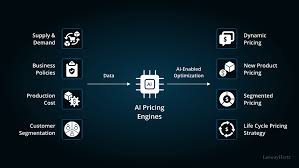
To maximize AI tool monetization, align your pricing with the value your tool provides. Subscriptions, tiered access, pay-per-use, freemium, ads, affiliate revenue, bundling, and enterprise customization are all powerful models. The best choice depends on your audience, their usage patterns, and whether your tool saves time, improves quality, or automates work.
- Subscription models provide predictable revenue and are the leading method for AI tools.
- Consider an AI image generator offering free daily images with paid upgrades as a freemium model.
- Usage-based pricing works through credit systems, such as charging credits per minute of AI-processed video or per AI-generated voiceover.
- One example is a Pro plan at about $50 a month, saving 10 hours of work monthly.
- Another mentions an AI plan priced around $30 monthly for high-resolution outputs and extra generation credits.
What is AI Tool Monetization?
AI tool monetization involves charging for the value an AI product creates, manifested as time saved, enhanced quality, improved insights, or automated tasks. Rather than merely selling software, it focuses on solving a clear problem and pricing that solution transparently for users.
Since different tools address various problems, the pricing model should adapt to the specific use case. For instance, a coding assistant attracts distinct buyers compared to a social media generator or design tool. With this understanding, let’s explore how to select the appropriate model.
How Do You Choose the Right Monetization Model?
The ideal model depends on usage frequency, the value delivered, and the buyer profile. Frequently used tools often suit subscriptions, while less frequently used tools or those with significant computing requirements may benefit from usage-based pricing. If exploring different AI pricing strategies, understanding your audience’s habits is crucial.
Identify the problem the tool solves, how pressing that issue is, and existing spending on alternatives. A straightforward AI content generator might thrive with freemium pricing, whereas a more sophisticated coding assistant might require a monthly or annual subscription due to its daily reliability. Understanding the use case helps narrow down the model and build a fitting pricing structure.
Why Are Subscription Models So Common for AI Tools?
Subscription pricing is a reliable AI tool monetization model, creating recurring revenue and providing users ongoing access to updates and new features. This approach is especially beneficial for frequently used tools like writing assistants, marketing platforms, and code completion tools. It also aids in cost planning—users anticipating consistent monthly value are more inclined to commit to a plan.
Tiered Subscriptions
Tiered pricing offers plans with varying features, limits, or support levels, allowing users to pick the tier that meets their needs without extra costs. An AI writing tool could provide a Basic plan for bloggers, a Pro plan for small businesses, and an Enterprise plan for larger teams, thus accommodating a broad range of customers.
Freemium Model
The freemium model provides a base version for free, charging for advanced features, higher usage, or an ad-free experience. This reduces entry barriers and allows users to experience the product before committing financially. An AI image generator might offer free daily images and charge for unlimited creations, higher resolutions, and premium templates, facilitating user conversion to paid plans over time.
How Does Pay-Per-Use Pricing Work?
Pay-per-use pricing charges customers based on actual usage. This model is suitable for tools used infrequently or those requiring substantial computing power. It can appeal to low-volume users while generating solid revenue from heavy users relying on the tool. When output costs are measurable, tying price to activity becomes more straightforward.
Credit Systems
Credit systems allow users to purchase credits for specific actions, working well when each output has a defined cost. An AI video editing tool might charge credits per minute of processed video or for each generated voiceover. Small packs cater to occasional users, while larger packs suit extensive projects.
API Access Fees
API access fees involve businesses and developers paying to integrate your AI into their applications. They compensate for functionality that can be embedded into products and workflows. This model scales effectively as revenue grows alongside usage. For example, a summarization tool transitioned from a flat monthly fee to a credit system to better align costs with usage patterns and improve revenue.
Clear pricing is crucial. Users must understand how usage translates to cost; unclear pricing can deter purchases. This clarity is especially important when considering SaaS monetization principles applicable to AI tools.
How Can Ads and Sponsorships Monetize a Free AI Tool?
Ads and sponsorships are effective when your AI tool attracts a large free audience, generating revenue from advertisers or sponsors seeking access. While this model can maintain free access for users, it requires careful handling to avoid compromising user experience. Relevance is key; ads and sponsorships should enhance, not distract from, the tool’s purpose.
Display Ads
Display ads appear as banners or visuals within the tool or website, offering a straightforward exchange: users enjoy free access, and you earn from ad views or clicks. For example, a free AI grammar checker might display ads on its dashboard.
Sponsored Content or Features
Sponsored content entails companies paying to appear within your tool’s workflow or output, such as recommended products or featured placements. The key is maintaining relevance and subtlety to ensure the tool remains user-friendly.
How Does Affiliate Marketing Fit into AI Tool Monetization?
Affiliate marketing generates commissions when users purchase products or services through your recommendations. It is most effective when the suggestions are seamlessly integrated into the AI tool’s workflow. Once established, it can offer steady income, particularly when users trust the tool’s guidance.
Your AI tool can recommend products or services, earning a commission when users purchase via your link. This works well in business, marketing, and lifestyle tools. For affiliate revenue, recommendations must be genuine—spammy offers erode trust.
Can You Bundle AI Features with Existing Products or Services?
Yes. Bundling AI with an existing business provides a straightforward monetization approach, utilizing existing customers and infrastructure. It can enhance the value of your primary offering or help establish a new premium service. Bundling also simplifies AI sales when customers already trust your brand.
AI can enhance an existing product’s utility by reducing friction or improving speed and quality. For instance, a web design company integrated an AI tool for SEO audits and suggestions into its premium website maintenance packages, justifying a higher price and boosting client retention.
When Do Enterprise Solutions Make Sense?
Enterprise solutions are suitable for larger companies requiring customization, security, and support beyond standard plans. These clients often have larger budgets and complex needs, making enterprise deals highly profitable, despite potentially longer sales cycles. For the right audience, enterprise pricing can be the most valuable model.
Custom model development tailors AI to clients’ specific data and use cases, offering a service that is both customized and profitable.
What Do Real-World Examples Show About AI Tool Monetization?
Real-world case studies indicate that AI monetization works best when the tool delivers measurable business value. The strongest examples connect cost to time saved, revenue gained, or costs reduced. Across industries, the trend is consistent: users are willing to pay for tools that evidently enhance results.
AI for Content Creation
Content creation tools generate blog posts, social media updates, product descriptions, and marketing copy, typically offering subscriptions with tiered plans. Sarah, who runs a small e-commerce site selling handmade jewelry, pays about $50 per month for a Pro plan, stating that it saves her around 10 hours monthly, which justifies the cost.
AI for Marketing and SEO
Marketing and SEO tools analyze website data, suggest improvements, and optimize campaigns, often using subscriptions, with some offering pay-per-use reports or API access. A digital marketing agency might employ AI to identify weak keywords, generate content ideas, and refine ad copy, charging clients a monthly retainer based on data-backed insights.
AI for Design and Visuals
Design tools like Midjourney and DALL-E have revolutionized image generation, frequently adopting subscriptions or credit systems. Mark, a freelance web designer, pays about $30 per month for high-resolution outputs and additional generation credits, enabling him to create unique visuals for client sites.
What Quick Fixes Improve AI Tool Monetization?
Effective monetization begins with clear value, transparent pricing, and a model that aligns with user habits. Small adjustments in positioning and packaging can yield better results. Consider these actions to refine your offer and boost revenue potential:
- Clearly define your value proposition: Explain the problem your AI solves and its significance.
- Know your audience: Research budgets, buying habits, and valued features.
- Start simple, then iterate: Test one or two monetization models initially.
- Value-based pricing: Set prices based on time saved, money saved, or efficiency gained.
- Offer a free trial or demo: Let users experience the AI before purchasing.
- Constant feedback: Use user feedback to refine pricing, features, and packaging.
- Be transparent: Avoid hidden fees and ensure clear pricing.
- Focus on retention: Continuously enhance the product to maintain subscriptions.
- Leverage early adopters: Use discounts or perks for feedback and advocacy.
- Consider bundling AI with services: Use AI to enhance consulting or service offerings.
What Do the FAQs Say About AI Tool Monetization?
What is the most profitable way to monetize an AI tool?
The most lucrative approach varies with the tool and market. Subscription models with tiered plans often yield steady recurring revenue. Enterprise solutions and custom development are also highly profitable due to larger contract values.
Should I offer a free version of my AI tool?
A free version can reduce friction and draw users in. Freemium and limited trials let people experience the product before paying. It is important that the upgrade path is appealing enough for users to convert.
How do I price an AI tool with no direct competitors?
Focus on the value delivered, not competitor pricing. Estimate hours saved, revenue gained, or costs reduced, then test prices with early adopters. Comparing the tool to the cost of partial alternatives can also help.
Is monthly or annual subscription better for an AI tool?
Both approaches have benefits. Monthly plans make it easier to start, while annual plans often offer discounts, such as paying for ten months and receiving twelve. Offering both is a common and effective approach.
How can I keep AI pricing competitive as the market changes?
Review market trends, competitor pricing, and your own feature set regularly. Keep improving the tool so its value stays clear. Ongoing innovation helps justify your pricing over time.
Nielsen Norman Group’s pricing guidance supports: Pricing succeeds when it aligns with perceived value and user expectations.
How Should You Think About AI Tool Monetization Long Term?
Monetizing an AI tool involves linking its capabilities to clear, measurable value. The most effective pricing model aligns with user behavior and the product’s strengths. Regularly test pricing, listen to users, and refine the offer. When pricing, packaging, and value align, AI tools transition from short-term experiments to sustainable businesses.
“`
See also: scale daily ai tool review and use-c website 5k mo
See also: pricing daily ai tool review and use-c services gu
See also: create digital product daily ai tool review and us