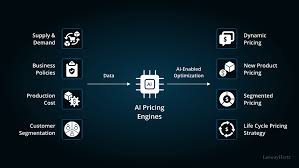
AI Tool Pricing: Understanding the Costs and Value
A fascinating element of AI tools today is their diverse pricing structures. From free tiers to subscription models, users have many choices. Depending on the tool’s complexity and your specific needs, what you pay can vary dramatically. To manage spending well, a deep dive into individual services is necessary.
- Basic writing assistants start at roughly $29 to $49 monthly.
- AI image generators such as Midjourney are priced between $10 and $60 per month.
- High-end content creators can cost $3 to $10 each day.
- Subscriptions are the norm, although pay-as-you-go and freemium models are also common.
- Pricing fluctuates based on usage, features, and business setups.
What is AI tool pricing?
AI tool pricing refers to the expense of software equipped with artificial intelligence to perform tasks like crafting emails, creating images, or aiding business operations. This cost hinges on the tool’s capabilities and how often you use it. Options range from free to subscriptions or pay-as-you-go plans.
Before choosing an AI tool, you should pinpoint your needs. Simpler tasks like writing assistance might not break the bank, while complex jobs like design work could be more expensive. Companies try hard to set prices fairly, keeping tools within reach while covering their costs.
Why does AI tool pricing vary so much?
Prices for AI tools differ for several reasons: they require computational muscle and offer a wide array of features. More intricate tools demand heavier resources, which bumps up their price. Tools with multiple capabilities such as writing, editing, and translating typically cost more than those performing just one function.
The investment in skilled engineers who build these sophisticated AI systems also plays a part. Costs are further influenced by business models—whether it’s a subscription service, a software purchase, or a freemium offering.
How does daily AI usage impact costs?
Like your daily latte habit, regular AI usage can add up cost-wise. Subscription services simplify budgets with fixed monthly charges for things like grammar checkers. On the other hand, pay-as-you-go models bill by credits used, which can be perfect for occasional needs but could surprise frequent users with higher costs.
To sidestep unexpected bills, understanding the pricing structure is key, especially with frequent or high-volume AI use.

What are common AI pricing models?
AI tools commonly use subscription, pay-as-you-go, freemium, and one-time purchase models. Subscriptions offer steady monthly or yearly costs and are favored for writing and design tools. Pay-as-you-go caters to varying usage needs. Freemium gives basic features free, with paid upgrades available.
How do real-life examples of AI tool pricing compare?
Tools like Jasper or Copy.ai begin pricing around $29-$49 per month, depending on word count or project numbers. Image generators such as Midjourney charge from $10 to $60 a month, depending on speed and output. For businesses, AI tools like chatbots might be priced per conversation or user number, which can stretch or squeeze budgets for small or large enterprises alike.
What factors affect daily AI service costs?
Complexity, data processing volume, support, updates, and security measures heavily sway AI service pricing. Basic tasks like spell-checking stay cheap, but complex activities like generating detailed reports demand advanced models and thus cost more.
Handling large volumes of data, like analyzing extensive texts or images, hikes costs—similar to reading an entire library versus a single book. Comprehensive support and regular updates can also drive up expenses but often justify the price you pay.
Quick Scan: AI Tool Cost Comparison
| AI Tool Type | Typical Daily Cost (Approx.) | Main Usage |
|---|---|---|
| Basic Writing Assistant | $1 – $3 | Email, social media posts |
| Advanced Content Creator | $3 – $10 | Blog posts, marketing copy |
| AI Image Generator | $2 – $8 | Illustrations, art, concept visuals |
| Code Assistant | $2 – $7 | Programming help, debugging |
| Data Analysis Tool | $5 – $20+ | Business insights, trend spotting |
Note: These are estimates. Actual costs vary by provider and plan.
What value do AI tools provide beyond their cost?
AI tools offer time-saving benefits, inspire creativity, and take over repetitive tasks. These advantages can often outweigh their price, enhancing productivity and cutting down wasted hours. For businesses, happier customers and smarter decisions can translate into extra revenue or savings, making AI a worthwhile investment.
How to navigate AI service plans effectively?
Assess AI service options to match your exact needs. Lower-cost basic tiers provide essential features, while pricier ones unlock advanced functionalities. Watch for usage caps to avoid extra fees, ensuring the tool aligns with your requirements. User reviews shine a light on real-world performance and any hidden fees.
What is the future of AI pricing?
AI pricing is shifting as technologies advance and market rivalry heats up. Expect more tools with niche pricing and increased integration into existing software, all striving for affordability. As AI models become more streamlined, operational expenses might shrink, making robust AI available to more individuals and smaller enterprises.
My personal experience with AI tool costs
Diving into the AI world for my blog was daunting at first, given all the choices out there. A free writing assistant trial showed off its time-saving magic, which led me to opt into a $30 monthly plan I used every day. An AI image generator expanded my creative horizons, but overstepping its limits doubled my costs, forcing a budget rethink.
When does AI tool pricing become a concern?
Pricing issues crop up when there’s lack of clarity, leading to surprise fees or mismatched value. Free trials can gauge tools before a financial commitment. High costs may block access, particularly for students, freelancers, or small businesses, underscoring the need for clear, accessible pricing structures.
Tips for managing your daily AI expenses
Kick off with free tools or trials to test suitability without spending money upfront. Track usage to dodge unforeseen expenses, and routinely check subscription plans to align with current needs. Opt for bundled packages or annual discounts for significant savings if juggling multiple AI tools from one provider.
Cost-Saving AI Strategies
Leverage Free Tiers: Use free versions whenever possible for non-critical tasks.
Monitor Usage Closely: Avoid unexpected charges with pay-as-you-go models.
Review Subscriptions: Cancel plans you no longer use or need.
Seek Annual Discounts: Pay yearly for significant savings.
Explore Bundles: Look for package deals if you use multiple tools from one provider.
When to worry about AI tool costs
Costs become a headache if they stretch budgets or the value drops away. Major expenses without matching benefits call for a rethink of how you use the tools. Clear pricing and terms from providers nurture confidence in your AI purchases.
Frequently asked questions about AI pricing
Is it possible to use AI tools for free?
Yes, many AI tools offer free tiers or limited free trials. These are great for trying out features or for basic, occasional use. However, free versions often have limitations on usage, features, or speed.
How much does a basic AI writing assistant typically cost per month?
A basic AI writing assistant can range from $10 to $50 per month. This price depends on the number of words you can generate, the features included, and the provider.
Are there hidden costs in AI tool pricing?
Yes, hidden costs can exist. Common ones include overage fees for exceeding usage limits, extra charges for premium features, or mandatory support packages. Always read the pricing details carefully.
How can I compare AI tool prices effectively?
Compare prices by looking at the cost per feature, cost per usage unit (like words or images), and any included support or updates. Also, consider the total value and benefits the tool provides.
Will AI tool prices go down in the future?
As AI technology matures and competition increases, prices for many AI tools are expected to become more competitive. More efficient AI models could also reduce operational costs, potentially lowering prices for consumers.
What is a “freemium” AI model?
A freemium model means a basic version of the AI tool is available for free. Users can then upgrade to a paid plan to access more advanced features, higher usage limits, or better support.
Final thoughts on AI tool pricing
Grappling with AI tool prices isn’t just about the monetary numbers—it’s about uncovering value and ensuring the chosen service fits your needs. With diligent research and cost awareness, it’s possible to make AI work in your favor without financial strain. Begin small, evaluate, and expand as the advantages become evident.
See also: scale daily ai tool review and use-c website 5k mo
Related: Paid Community Daily Ai Tool Review And Use-C Laun
Related: Create Digital Product Daily Ai Tool Review And Us
Related: Build Email List Daily Ai Tool Review And Use-C
Related: Affiliate Programs Daily Ai Tool Review And Use-C
Related: Grow Daily Ai Tool Review And Use-C Social Media F